


 Maximum quality with patented formulas
 24/48-hour delivery
 100% secure payments
 Expert advice
ANTIOXIDANTS
What are antioxidants?
Antioxidants are chemical elements or compounds that the body uses to fight free radicals. Their main function is to prevent free radicals from damaging cells and causing cellular oxidation.
Free radicals are a type of chemically unstable molecules, which damage cells: they act by introducing oxygen into cells, causing oxidation, changes and modifications to DNA and even ageing. This damage caused by free radicals is called oxidative stress.
Antioxidants fight and combat these free radicals, which can be produced naturally in the body, as well as as a consequence of external factors: intense physical exercise, UV rays, pollution, smoking, etc. Antioxidants act by neutralising free radicals, reducing their impact on the body and the damage they can cause.
High levels of free radicals are associated with an increased risk of diseases such as diabetes, cataracts and cardiovascular problems.
Some of the most important antioxidants produced naturally in the body are ubiquinol and glutathione. Supplementing with antioxidants helps to improve the immune system and fight against these free radicals.
It is important to provide the vitamins and other compounds necessary for their production, such as vitamin E and vitamin C, which the body cannot produce on its own and which are necessary for the production of antioxidants, in optimal quantities, either through supplementation or diet. Antioxidants can be obtained naturally, mainly from fruit and vegetables.
What are antioxidants for?
- The main function of antioxidants is to protect the body against free radicals and oxidative stress.
- They help to keep the immune system in optimal condition and strengthen it.
- They can help prevent common illnesses such as colds, colds, etc.
- They are involved in recovery after training, as physical exercise is a factor that triggers the appearance of free radicals.
- More specifically, antioxidants have anti-inflammatory properties.
- They promote eye health, prevent skin ageing, help with allergies, prevent cancer and even help regulate cholesterol.
How to obtain antioxidants and which are the most important ones?
Antioxidants can be provided mainly through a healthy, balanced diet, including a wide variety of fruits and vegetables. Nowadays, lack of time, bad habits and other factors can lead to a lack of antioxidants in the body. Supplementing with antioxidants may be the key to improving the immune system and providing the body with the nutrients it needs in a comprehensive manner.
The most important antioxidants in the body are glutathione and ubiquinol.
Glutathione is considered the universal antioxidant: it is the most effective at dealing with oxidative stress. Two supplements that can help increase glutathione levels are N-acetyl cysteine and R-ALA.
Ubiquinol, or coenzyme Q10, is one of the most widely used antioxidants and can be obtained directly through supplementation. It is capable of integrating into cell membranes, protecting them and promoting energy production.
Vitamins
Vitamin C and vitamin E have important antioxidant functions. They enhance the immune system, fight free radicals, and are present in fruits and vegetables. They protect cell membranes and keep bones and muscles in good condition.
Carotenoids: astanxatin is the best known. It has a similar structure to vitamin E and plays a particularly important role in preventing skin ageing and maintaining good eye health.
Polyphenols
They enhance the action of the immune system, have anti-inflammatory properties and bind to substances such as metals, which may be toxic, so that they can be eliminated.
One of the most important polyphenols is quercetin: it helps to prevent tumours and to reduce the effects of joy.
How to take antioxidants?
It is recommended to take antioxidants at times away from training, as they can interfere with training adaptations. It is important to read the labelling of the chosen supplement and follow the instructions. If in doubt, consult a health and nutrition professional.
Showing 1-24 of 31 item(s)
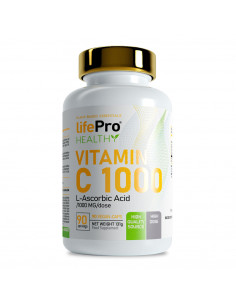
High-quality vitamin c for immune system function
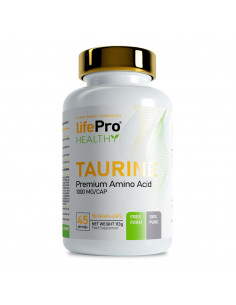
Non-essential amino acid aimed at strength and muscular endurance

Antioxidant coenzyme linked to cellular energy during exercise

R-alpha lipoic acid in high-quality na-r-ala form
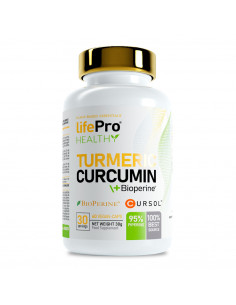
Turmeric with black pepper for maximum bioavailability
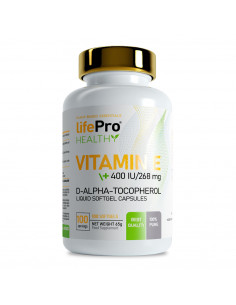
High-purity fat-soluble antioxidant for daily use
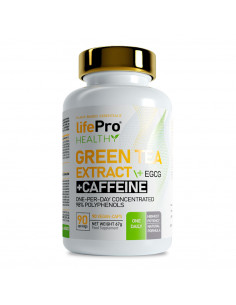
High egcg and caffeine content
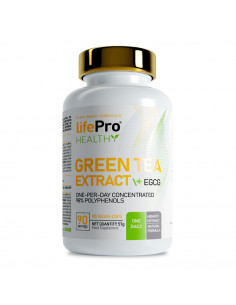
Green tea extract concentrated in egcg
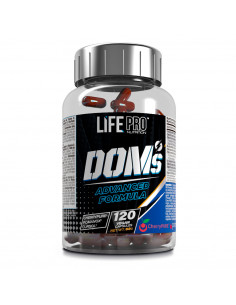
Formula designed to optimize recovery after intense sessions or periods

Pre-workout with citrulline and nitrates for hybrid sports, stimulant-free

Provides a polyphenol from natural sources with high purity and quality

Andean maca root with vitamins and minerals for daily wellbeing


With plant extracts, antioxidants and vitamin d for the immune system

Antioxidant support and recovery for high-demand sports
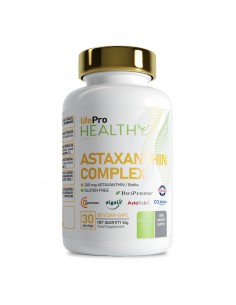
Maximum-strength astaxanthin with antioxidant boost


Astaxanthin with vitamins and minerals

Natural nootropic to improve concentration and focus


Plant-based formula with milk thistle extract and 30% silibinin
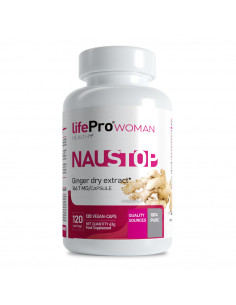
Natural formula with ginger and vitamin b6 for the first trimester
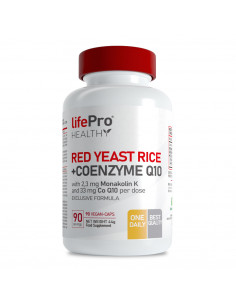
Red yeast rice and q10 for cholesterol
Latest reviews

Realmente noté una mejora en mi piel, cabello y uñas desde que empecé a usar este pack. Además, me siento mucho más saludable en general. Lo recomiendo completamente.

Se notan sus efectos calmantes en muchos aspectos, yo he notado que me duele menos.


LIFE PRO HAIR PRO 120 VEGANCAPS
Estoy sorprendida con los resultados de este suplemento. Mi cabello se ve más fuerte y saludable, y he notado una disminución en la caída del pelo. ¡Totalmente recomendado!

LIFE PRO GREEN TEA + EGCG + CAFFEINE 90 VEGANCAPS 98% POLYPHENOLS
Este producto me ha dado una energía increíble durante todo el día, me siento más activa y concentrada. ¡Lo recomiendo!

LIFE PRO VITAMINA E 400UI 100 CAPS
Estoy encantada con este suplemento de vitamina E. Desde que empecé a tomarlo, he notado una mejora en mi piel y tengo más energía. Lo recomiendo totalmente.

LIFE PRO VITAMINA C 1000 MG 90 CÁPSULAS
Estoy encantada con los resultados de este suplemento de vitamina C. Mi piel luce mucho más radiante y mi sistema inmunológico se siente más fuerte. ¡Totalmente recomendado!

LIFE PRO RAGE PRO 290G CAFFEINE FREE
Este producto me ha dado un impulso increíble en mis entrenamientos, me siento con mucha más energía y fuerza. Definitivamente lo recomendaría.

- +200 patented formulas
- +10 years of experience
- +5M satisfied customers
TOP SALES IN ANTIOXIDANTS
Quick answers backed by science: our team guides you in seconds towards the formula and protocol you need.

MORE INFORMATION ABOUT ANTIOXIDANTS
What are antioxidants?
Antioxidants are chemical elements or compounds that the body uses to fight free radicals. Their main function is to prevent free radicals from damaging cells and causing cellular oxidation.
Free radicals are a type of chemically unstable molecules, which damage cells: they act by introducing oxygen into cells, causing oxidation, changes and modifications to DNA and even ageing. This damage caused by free radicals is called oxidative stress.
Antioxidants fight and combat these free radicals, which can be produced naturally in the body, as well as as a consequence of external factors: intense physical exercise, UV rays, pollution, smoking, etc. Antioxidants act by neutralising free radicals, reducing their impact on the body and the damage they can cause.
High levels of free radicals are associated with an increased risk of diseases such as diabetes, cataracts and cardiovascular problems.
Some of the most important antioxidants produced naturally in the body are ubiquinol and glutathione. Supplementing with antioxidants helps to improve the immune system and fight against these free radicals.
It is important to provide the vitamins and other compounds necessary for their production, such as vitamin E and vitamin C, which the body cannot produce on its own and which are necessary for the production of antioxidants, in optimal quantities, either through supplementation or diet. Antioxidants can be obtained naturally, mainly from fruit and vegetables.
What are antioxidants for?
- The main function of antioxidants is to protect the body against free radicals and oxidative stress.
- They help to keep the immune system in optimal condition and strengthen it.
- They can help prevent common illnesses such as colds, colds, etc.
- They are involved in recovery after training, as physical exercise is a factor that triggers the appearance of free radicals.
- More specifically, antioxidants have anti-inflammatory properties.
- They promote eye health, prevent skin ageing, help with allergies, prevent cancer and even help regulate cholesterol.
How to obtain antioxidants and which are the most important ones?
Antioxidants can be provided mainly through a healthy, balanced diet, including a wide variety of fruits and vegetables. Nowadays, lack of time, bad habits and other factors can lead to a lack of antioxidants in the body. Supplementing with antioxidants may be the key to improving the immune system and providing the body with the nutrients it needs in a comprehensive manner.
The most important antioxidants in the body are glutathione and ubiquinol.
Glutathione is considered the universal antioxidant: it is the most effective at dealing with oxidative stress. Two supplements that can help increase glutathione levels are N-acetyl cysteine and R-ALA.
Ubiquinol, or coenzyme Q10, is one of the most widely used antioxidants and can be obtained directly through supplementation. It is capable of integrating into cell membranes, protecting them and promoting energy production.
Vitamins
Vitamin C and vitamin E have important antioxidant functions. They enhance the immune system, fight free radicals, and are present in fruits and vegetables. They protect cell membranes and keep bones and muscles in good condition.
Carotenoids: astanxatin is the best known. It has a similar structure to vitamin E and plays a particularly important role in preventing skin ageing and maintaining good eye health.
Polyphenols
They enhance the action of the immune system, have anti-inflammatory properties and bind to substances such as metals, which may be toxic, so that they can be eliminated.
One of the most important polyphenols is quercetin: it helps to prevent tumours and to reduce the effects of joy.
How to take antioxidants?
It is recommended to take antioxidants at times away from training, as they can interfere with training adaptations. It is important to read the labelling of the chosen supplement and follow the instructions. If in doubt, consult a health and nutrition professional.