


 Maximum quality with patented formulas
 24/48-hour delivery
 100% secure payments
 Expert advice
OMEGA 3
Everything you need to know about Omega 3
Omega-3 is an essential fatty acid that the body cannot produce on its own, so it is necessary to obtain it through food or supplements. The benefits of omega-3 are numerous and range from heart and brain health to reducing inflammation. In this article, we will answer some frequently asked questions about omega-3 and explore the benefits of its consumption.
Frequently Asked Questions about Omega 3
What is Omega 3?
Omega-3 is a type of essential fatty acid found in foods such as fish, shellfish, nuts and seeds. It is made up of three main types: eicosapentaenoic acid (EPA), docosahexaenoic acid (DHA) and alpha-linolenic acid (ALA).
What foods contain Omega 3?
Foods rich in Omega 3 include fish such as salmon, mackerel and sardines, as well as nuts and seeds such as walnuts, chia seeds and flax seeds.
What are the benefits of Omega 3?
Omega-3 has many health benefits, including reducing inflammation, improving cardiovascular health, improving cognitive health and reducing the risk of chronic diseases.
Can I get enough Omega 3 from food?
It is possible to get enough Omega 3 through food, especially if Omega 3 rich fish are consumed on a regular basis. However, many people may need omega-3 supplements to supplement their daily intake.
Are Omega-3 supplements safe?
Omega-3 supplements are generally safe for most people, as long as they are taken according to the manufacturer's instructions and purchased from a reliable source.
Benefits of Omega 3
Improving cardiovascular health
Omega-3 has been shown to benefit cardiovascular health by reducing inflammation, lowering blood triglyceride levels and reducing blood pressure. These risk factors are linked to heart disease such as coronary heart disease and heart failure.
Improving cognitive health
Omega-3 has also been shown to be beneficial for cognitive health, as it has been found to improve memory and overall brain function. In addition, it has been associated with a decreased risk of Alzheimer's disease and dementia.
Reduction of inflammation
Omega-3 is known for its anti-inflammatory properties, which may be beneficial for people with chronic inflammatory diseases such as rheumatoid arthritis and inflammatory bowel disease.
Showing 1-5 of 5 item(s)
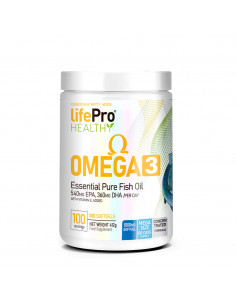
Formula with dha and epa in convenient capsules for daily use

Source of omega-6 and gamma-linolenic acid for female well-being

Essential fatty acids combo with epa, dha and vitamin e
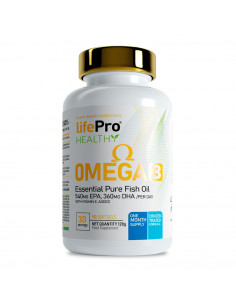
Dietary supplement with polyunsaturated fatty acid for endurance

High-bioavailability, premium-quality omega-3
Latest reviews

Compré este suplemento de Omega 3 para mi madre, que tiene 65 años. Ella siempre ha sido una persona muy activa, pero últimamente se estaba empezando a sentir cansada y con dolores de cabeza. Le recomendé que empezara a tomar Omega 3, ya que los estudios han demostrado que estos ácidos grasos esenciales pueden ayudar a mejorar la salud cardiovascular, la función cognitiva y el estado de ánimo.

LIFE PRO OMEGA 3 PRO IFOS TG36/24 90 SOFTGEL
Me ha encantado este suplemento de Omega 3, he notado una mejora en mi salud cardiovascular desde que empecé a tomarlo. Lo recomiendo totalmente.

LIFE PRO ACEITE ONAGRA 100caps
Estoy encantada con los resultados que he obtenido al incorporar el Aceite De Onagra de Life Pro Healthy en mi dieta diaria. Mi piel se ve mucho más luminosa y mi cabello más fuerte. ¡Totalmente recomendado!

Se paga la calidad! muy bien si solo quieres cosas buenas para mi organismo , si quieres cualquier tontería buscate otra cosa

- +200 patented formulas
- +10 years of experience
- +5M satisfied customers
Quick answers backed by science: our team guides you in seconds towards the formula and protocol you need.

MORE INFORMATION ABOUT OMEGA 3
Everything you need to know about Omega 3
Omega-3 is an essential fatty acid that the body cannot produce on its own, so it is necessary to obtain it through food or supplements. The benefits of omega-3 are numerous and range from heart and brain health to reducing inflammation. In this article, we will answer some frequently asked questions about omega-3 and explore the benefits of its consumption.
Frequently Asked Questions about Omega 3
What is Omega 3?
Omega-3 is a type of essential fatty acid found in foods such as fish, shellfish, nuts and seeds. It is made up of three main types: eicosapentaenoic acid (EPA), docosahexaenoic acid (DHA) and alpha-linolenic acid (ALA).
What foods contain Omega 3?
Foods rich in Omega 3 include fish such as salmon, mackerel and sardines, as well as nuts and seeds such as walnuts, chia seeds and flax seeds.
What are the benefits of Omega 3?
Omega-3 has many health benefits, including reducing inflammation, improving cardiovascular health, improving cognitive health and reducing the risk of chronic diseases.
Can I get enough Omega 3 from food?
It is possible to get enough Omega 3 through food, especially if Omega 3 rich fish are consumed on a regular basis. However, many people may need omega-3 supplements to supplement their daily intake.
Are Omega-3 supplements safe?
Omega-3 supplements are generally safe for most people, as long as they are taken according to the manufacturer's instructions and purchased from a reliable source.
Benefits of Omega 3
Improving cardiovascular health
Omega-3 has been shown to benefit cardiovascular health by reducing inflammation, lowering blood triglyceride levels and reducing blood pressure. These risk factors are linked to heart disease such as coronary heart disease and heart failure.
Improving cognitive health
Omega-3 has also been shown to be beneficial for cognitive health, as it has been found to improve memory and overall brain function. In addition, it has been associated with a decreased risk of Alzheimer's disease and dementia.
Reduction of inflammation
Omega-3 is known for its anti-inflammatory properties, which may be beneficial for people with chronic inflammatory diseases such as rheumatoid arthritis and inflammatory bowel disease.