


 Maximum quality with patented formulas
 24/48-hour delivery
 100% secure payments
 Expert advice
FATTY ACIDS
What are fatty acids?
Essential fatty acids are a part of the lipid or fat components, which are necessary for a large number of functions.
Incomplete nutrition can lead to deficiencies of these fatty acids. The body is not able to synthesise them by itself and they are necessary for a large number of functions.
There are two essential fatty acids: omega-3 and omega-6. It is important that there is a correct balance between omega 3 and omega 6 so that an inflammatory response does not occur.
Omega 3 provides EPA and DHA: these are essential polyunsaturated fatty acids that our body cannot produce. Omega 6: the most important are linoleic acid and arachidonic acid.
What are fatty acids chemically like?
The omega 3 we find: EPA eicosapentaenoic acid: 22 carbon atoms, DHA docosahexaenoic acid: containing 22 carbon atoms and ALA or alpha linoleic acid: containing 18 carbon atoms.
The omega 6 we find: AL or linoleic acid, GLA or gamma linoleic acid and AA or arachidonic acid.
Beta oxidation is the process through which fatty acids must pass in order to be used as energy. Fatty acids are mobilised from adipose tissue to be transported to the muscles and their cells.
What are fatty acids used for?
Fatty acids are necessary for a number of functions:
- In relation to heart health, they contribute to improving and maintaining optimal cardiovascular health.
- They help lower cholesterol and triglyceride levels in the blood.
- They have anti-inflammatory properties: they reduce inflammatory processes within the body. For this to happen, it is important that the balance of Omega 3 and Omega 6 is correct.
- Support the maintenance of a strong immune system and contribute to a healthy skin.
- Allow fat-soluble vitamins to be absorbed and utilised. This type of vitamin needs fats for its digestion and subsequent storage.
How to take fatty acids?
Fatty acids should be ingested mainly through a healthy and varied diet. The main sources are oily fish, such as sardines, tuna, salmon, etc. For people who, for various reasons, do not consume this type of food, or do not do so in sufficient quantities, it is recommended to take a daily dose of between 200 and 500 mg.
Showing 1-6 of 6 item(s)
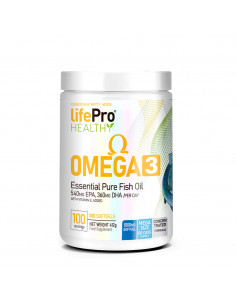
Formula with dha and epa in convenient capsules for daily use
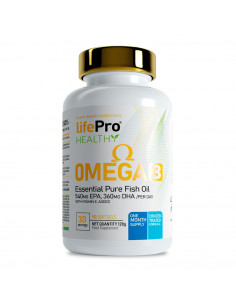
Dietary supplement with polyunsaturated fatty acid for endurance

Each dose supplies conjugated linoleic acid in a convenient format

Source of omega-6 and gamma-linolenic acid for female well-being

Essential fatty acids combo with epa, dha and vitamin e

High-bioavailability, premium-quality omega-3
Latest reviews

Compré este suplemento de Omega 3 para mi madre, que tiene 65 años. Ella siempre ha sido una persona muy activa, pero últimamente se estaba empezando a sentir cansada y con dolores de cabeza. Le recomendé que empezara a tomar Omega 3, ya que los estudios han demostrado que estos ácidos grasos esenciales pueden ayudar a mejorar la salud cardiovascular, la función cognitiva y el estado de ánimo.

LIFE PRO OMEGA 3 PRO IFOS TG36/24 90 SOFTGEL
Me ha encantado este suplemento de Omega 3, he notado una mejora en mi salud cardiovascular desde que empecé a tomarlo. Lo recomiendo totalmente.

LIFE PRO ACEITE ONAGRA 100caps
Estoy encantada con los resultados que he obtenido al incorporar el Aceite De Onagra de Life Pro Healthy en mi dieta diaria. Mi piel se ve mucho más luminosa y mi cabello más fuerte. ¡Totalmente recomendado!

Se paga la calidad! muy bien si solo quieres cosas buenas para mi organismo , si quieres cualquier tontería buscate otra cosa


- +200 patented formulas
- +10 years of experience
- +5M satisfied customers
Quick answers backed by science: our team guides you in seconds towards the formula and protocol you need.

MORE INFORMATION ABOUT FATTY ACIDS
What are fatty acids?
Essential fatty acids are a part of the lipid or fat components, which are necessary for a large number of functions.
Incomplete nutrition can lead to deficiencies of these fatty acids. The body is not able to synthesise them by itself and they are necessary for a large number of functions.
There are two essential fatty acids: omega-3 and omega-6. It is important that there is a correct balance between omega 3 and omega 6 so that an inflammatory response does not occur.
Omega 3 provides EPA and DHA: these are essential polyunsaturated fatty acids that our body cannot produce. Omega 6: the most important are linoleic acid and arachidonic acid.
What are fatty acids chemically like?
The omega 3 we find: EPA eicosapentaenoic acid: 22 carbon atoms, DHA docosahexaenoic acid: containing 22 carbon atoms and ALA or alpha linoleic acid: containing 18 carbon atoms.
The omega 6 we find: AL or linoleic acid, GLA or gamma linoleic acid and AA or arachidonic acid.
Beta oxidation is the process through which fatty acids must pass in order to be used as energy. Fatty acids are mobilised from adipose tissue to be transported to the muscles and their cells.
What are fatty acids used for?
Fatty acids are necessary for a number of functions:
- In relation to heart health, they contribute to improving and maintaining optimal cardiovascular health.
- They help lower cholesterol and triglyceride levels in the blood.
- They have anti-inflammatory properties: they reduce inflammatory processes within the body. For this to happen, it is important that the balance of Omega 3 and Omega 6 is correct.
- Support the maintenance of a strong immune system and contribute to a healthy skin.
- Allow fat-soluble vitamins to be absorbed and utilised. This type of vitamin needs fats for its digestion and subsequent storage.
How to take fatty acids?
Fatty acids should be ingested mainly through a healthy and varied diet. The main sources are oily fish, such as sardines, tuna, salmon, etc. For people who, for various reasons, do not consume this type of food, or do not do so in sufficient quantities, it is recommended to take a daily dose of between 200 and 500 mg.