
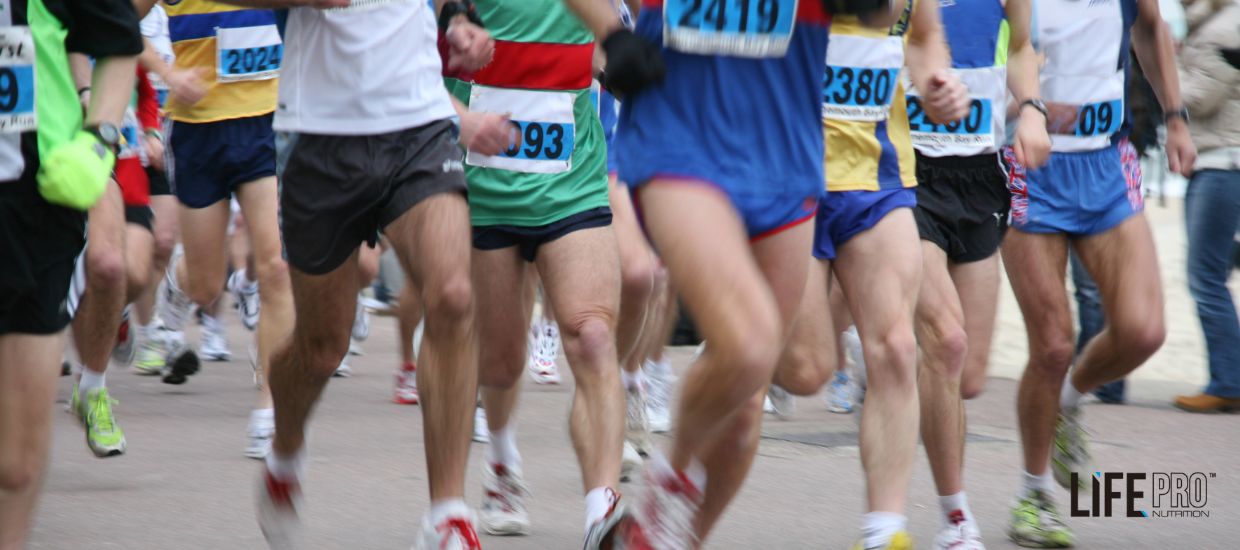
If you are determined to take on the challenge of completing a 10-kilometer race (an endurance marathon race), congratulations! Participating in a race of this distance is an achievement that requires determination and adequate physical preparation. Throughout this article, we will guide you through the preparation process needed to successfully take on a 10K race.
Many questions may arise, especially if this is the first time we are preparing for a race.
How much preparation time do I need to take on a 10K marathon?
Establishing a specific timeframe will depend on factors such as our physical condition, initial fitness level, and other personal factors that you should take into account. Allowing between 2 and 4 months of preparation can be more than enough time. Can I do it in less time? Some people may certainly have managed to do it in less time, but having enough time is the most appropriate way to prevent injuries and enjoy every kilometer covered once we are in the race.
What equipment do I need?
If you have run on your own before, even without a specific goal, you may already have the appropriate footwear and clothing. If not, we recommend that you try different options beforehand, and never on race day.
Training with a heart rate monitor is optional, but it can be a very interesting tool for observing how your body evolves and gathering useful data.
What should I include in my training sessions?
- Long-distance running days: for example, at least 8 kilometers.
- Exercises to improve running technique.
- Strength training. Yes, in addition to improving and training our endurance, it is essential to perform strength exercises for all muscle groups. Besides helping us build strength, it will help prevent injuries.
Interval training days:
Interval training days refer to specific days on which interval training is planned. These workouts involve running at a faster speed for a specific period of time, followed by a recovery or rest period before repeating the interval.
Why they matter. Intervals are an essential part that should be included in your plan before a 10K race to improve speed, endurance, and cardiovascular capacity. Some examples of interval workouts you can include are:
- Fartlek intervals: these involve making random pace changes during a run, alternating between running fast and recovering at a slower pace.
- Pyramid intervals: these consist of gradually increasing the distance or time spent running fast over several repetitions and then reducing it in reverse order.
- Repetition intervals: these consist of running at maximum speed for a short period of time or distance that we establish. For example, 200 meters followed by a recovery period.

Considerations to keep in mind on marathon day:
- Before registering, choose a race with a favorable course profile suited to your abilities. Some races have many uphill sections or frequent changes that can be more difficult to manage.
- Do not train on race day. You should arrive rested. Even so, you should warm up and prepare.
- Have breakfast with plenty of time. Try to have breakfast 2 hours before the race so that you have time to digest it. This will help prevent it from upsetting your stomach during the race. Also, practice what you will eat for breakfast that day during your training days.
- Complete a carbohydrate load the night before.
- Rest the night before. Sleep at least 8 hours and avoid alcohol.