

The intestinal microbiota consists of a group of microorganisms (bacteria and yeasts, among others) that live in our intestines. They are essential for maintaining optimal health. They are all responsible for ensuring proper digestion and nutrient absorption, in addition to other functions.
How the intestinal microbiota works:
It is essential that there is a balance in our microbiota and that the microorganisms that make it up remain balanced. Certain microorganisms can become harmful if they multiply excessively. But before delving into the various disorders that may arise, let us focus on their main functions and tasks:
- They help break down food, facilitating the digestion and absorption of essential nutrients.
- They strengthen the immune system, helping the body deal with possible infections.
- They protect the intestines, preventing harmful bacteria from multiplying and causing disease.
- Impact on metabolism: the microbiota influences how the body manages different nutrients, blood sugar regulation, and appetite, among other things.
- Intestinal health: it helps prevent inflammatory diseases such as irritable bowel syndrome or Crohn’s disease. It also helps prevent problems such as constipation or diarrhea.
What factors can affect our microbiota?
The balance of the intestinal microbiota can be altered by several factors, such as:
- Diet: it is essential to maintain a varied and balanced diet. A diet rich in fiber, fruits, and vegetables promotes a healthy microbiota. Conversely, excess sugar, saturated fats, and ultra-processed foods can affect its condition and damage it.
- Stress and lack of sleep: Factors such as our mood, whether we live under constant stress, and getting adequate rest, among others, can affect the composition of the microbiota.
- The use of antibiotics and other medications: Antibiotics eliminate harmful bacteria, but they also destroy some beneficial bacteria. Therefore, if you have been undergoing antibiotic treatment, you may experience abdominal bloating, diarrhea, constipation, or other digestive problems.
How do probiotics interact with the microbiota?
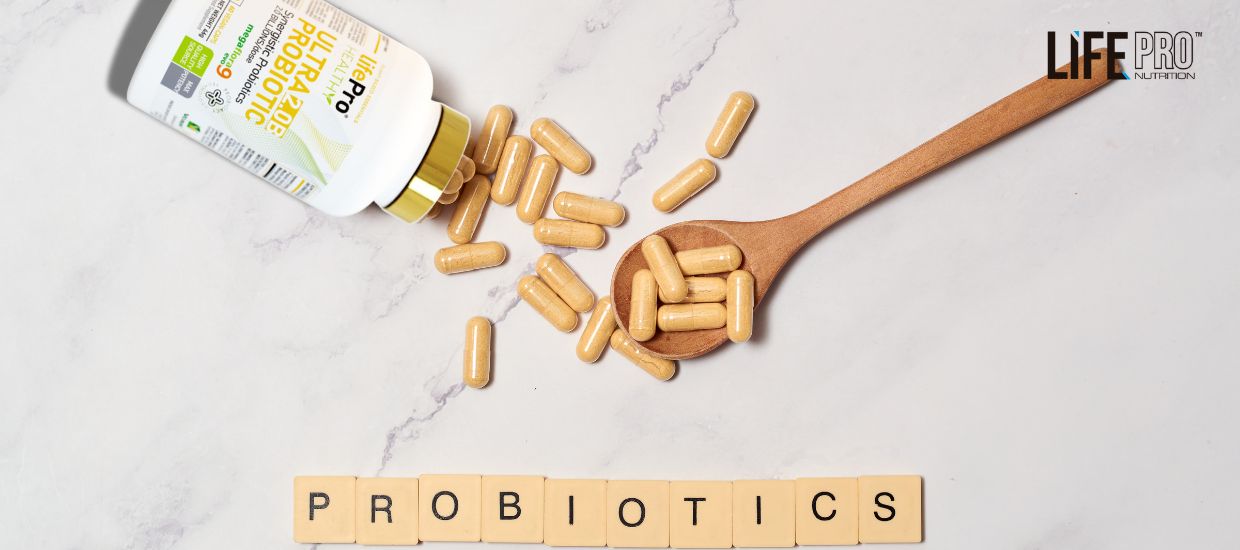
Probiotics and the intestinal microbiota are closely related. Primarily, probiotics are living microorganisms that help maintain the balance and functionality of the microbiota.
In addition, consuming probiotics through foods that contain them helps maintain digestive health, the immune system, and other key processes in the body.
They help restore the balance of the microbiota:
As mentioned in the previous section, the use of antibiotics, stress, a poor diet, or digestive diseases can alter the microbiota, reducing the number of beneficial bacteria.
Probiotics help repopulate the intestines with beneficial microorganisms, promoting their balance and proper functioning. They also stimulate the production of antibodies and reduce intestinal inflammation. They help prevent the excessive growth of harmful microorganisms in the intestines.
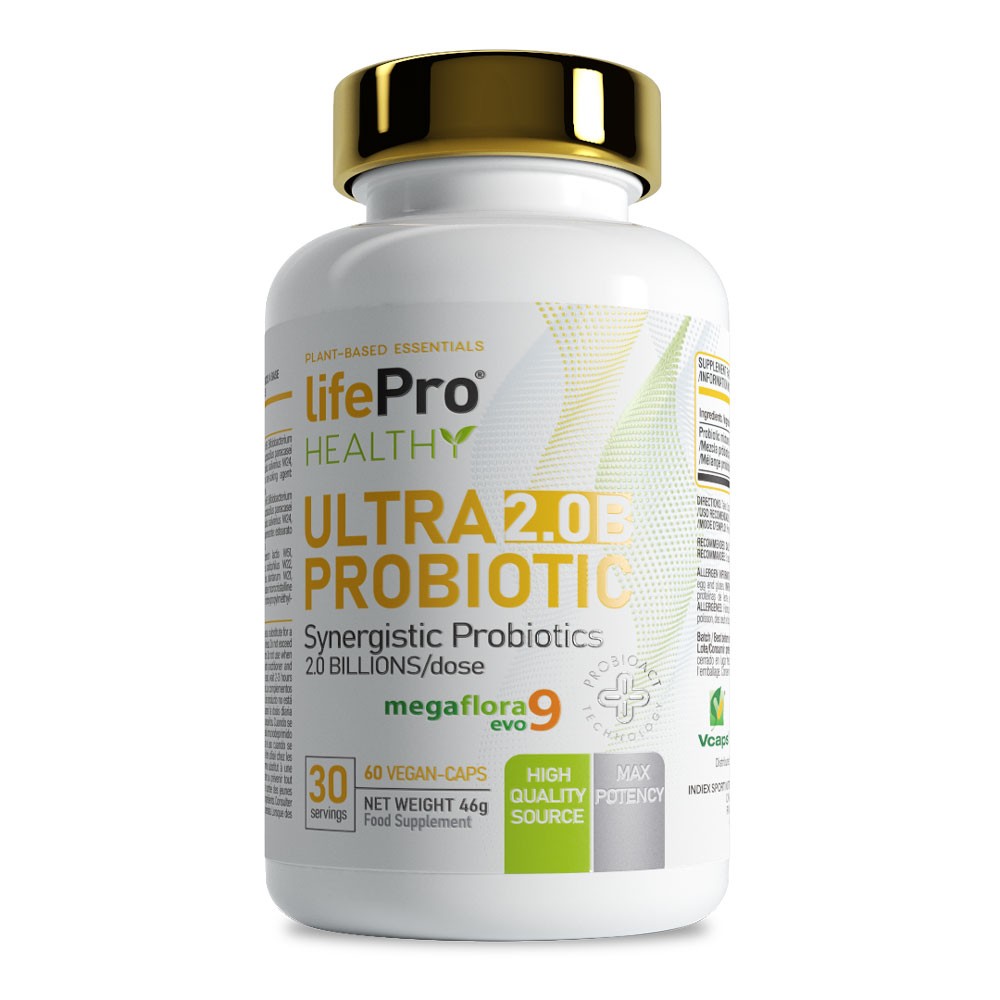 |
LIFE PRO ULTRA 2.0 PROBIOTIC 60 CAPS
Ultraprobiotic Life Pro es un complemento probiótico que mejora y promueve el equilibrio de la flora intestinal. |
19.71€ 21.90€ | Ver producto |
What is the difference between probiotics and prebiotics?
It is common to confuse probiotics with prebiotics. Although they are closely related, they are two terms that refer to two different concepts:
- Probiotics are living microorganisms, such as bacteria or yeasts, that we introduce into our digestive system through food or supplements. Their main function is to strengthen the intestinal microbiota and improve the balance of beneficial bacteria in the body.
Among their main benefits are their ability to improve intestinal health, strengthen the immune system, and relieve digestive disorders such as diarrhea. By helping restore the bacterial flora, they help reduce the symptoms of various conditions related to the digestive system.
- On the other hand, prebiotics differ from probiotics in their nature, since they do not contain living microorganisms. They are compounds that the body cannot digest, mainly a type of fiber, whose function is to serve as food for the beneficial bacteria that already inhabit the intestines.
Prebiotics stimulate the growth of specific microorganisms, such as lactobacilli and bifidobacteria, promoting a healthy intestinal environment. Although our body cannot digest these compounds, the intestinal bacteria use them to strengthen themselves and carry out their essential functions.
Is the microbiota the same in everyone?
No, the microbiota is unique to each individual and is influenced by genetic and environmental factors, diet, and lifestyle.
In addition, the microbiota changes and evolves throughout the different stages of life. It develops from birth and changes with diet and lifestyle. As we age, it becomes less diverse.
Do alcohol and tobacco affect the intestinal microbiota?
Yes, excessive alcohol consumption and tobacco use can reduce the bacterial diversity that makes up our microbiota. They can also increase intestinal inflammation and promote the growth of harmful bacteria.
Does lack of sleep affect the intestinal microbiota?
Yes, sleeping poorly or having irregular schedules can alter the microbiota, weakening the immune system and affecting digestion.
Is it advisable to take probiotic supplements?
It depends on each person and situation. In cases of intestinal disorders or after taking antibiotics, probiotic supplements can be beneficial. However, a balanced diet can also maintain a healthy microbiota without the need for supplements.