
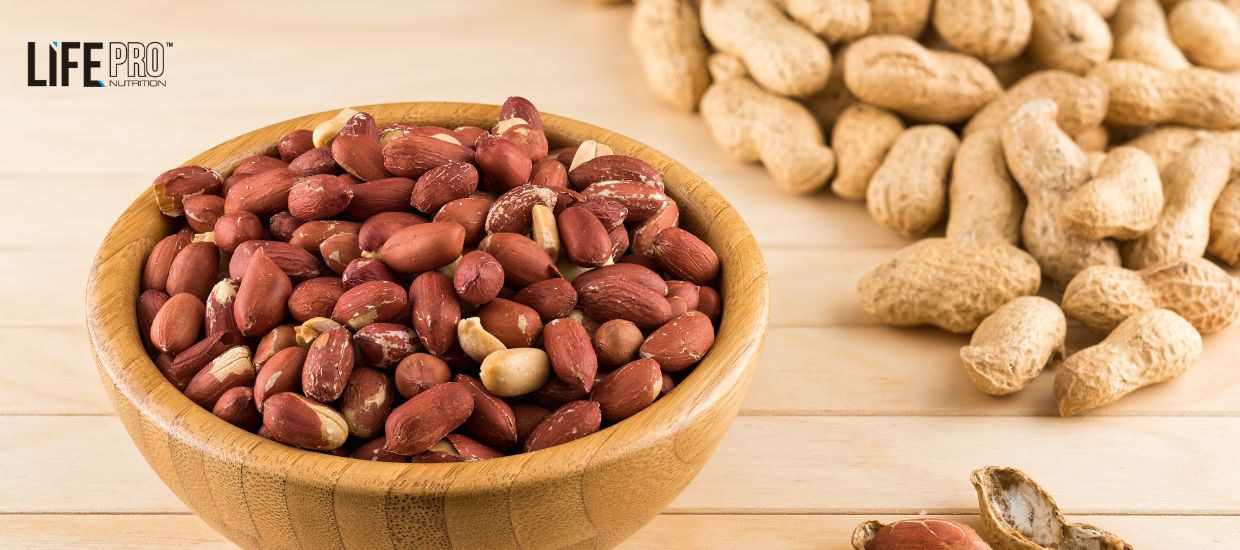
What are peanuts?
Peanuts are a nutritious food, rich in healthy fats and protein. Also known as groundnuts, they are a legume (not a nut, as is commonly believed), native to Central and South America. Later on, we will explain in greater depth why they are not considered a nut, but you should know that this is due to the way they grow underground.
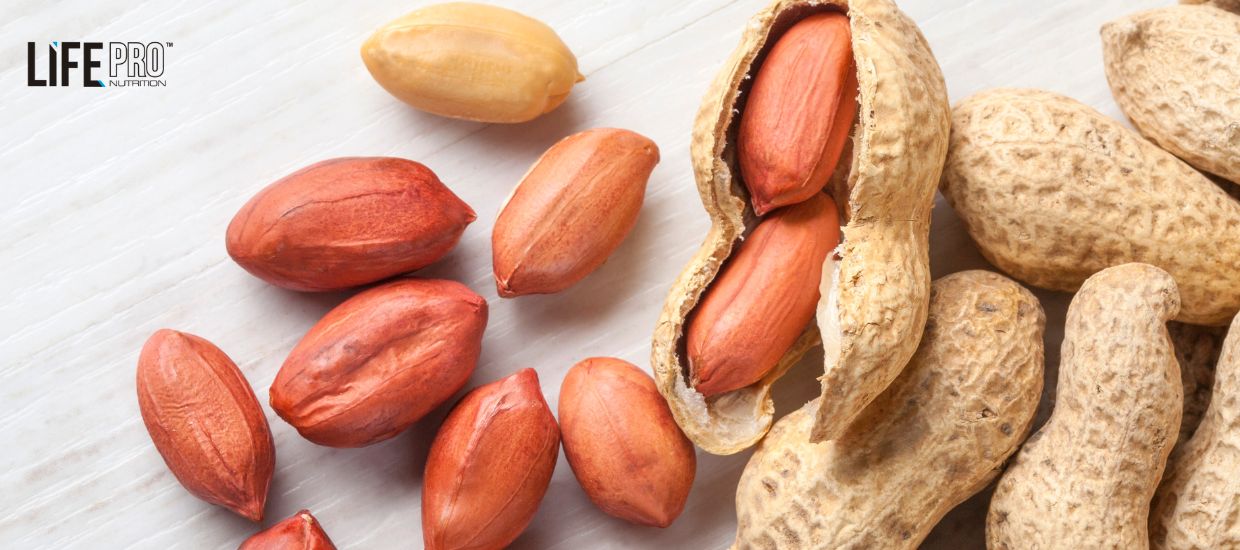
Peanuts have a hard shell, which must be removed to access the edible part (the seed). In supermarkets, they are commonly found in different forms: whole with the shell, or without it. Roasted, fried, etc., or even in the form of a spread.
Their distinctive flavor and highly interesting nutritional properties are what make peanuts an exceptional, versatile and delicious food.
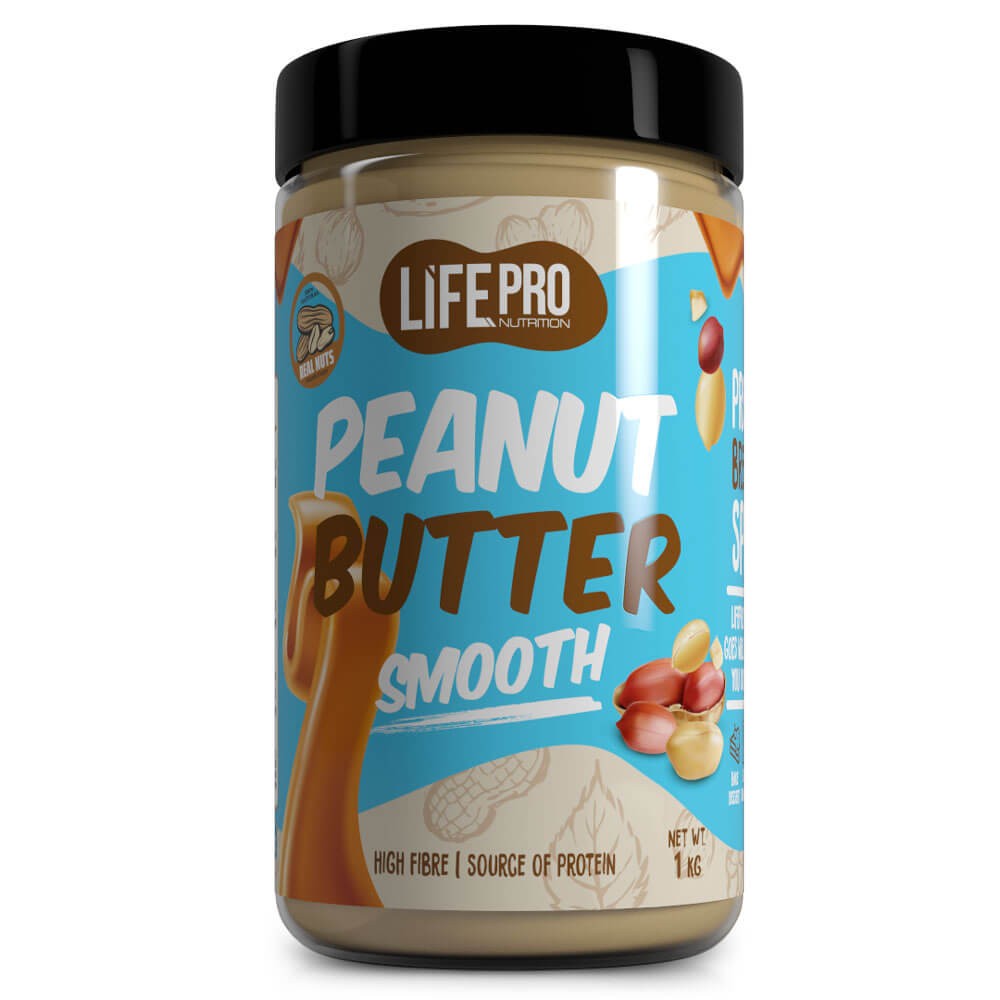 |
LIFE PRO FIT FOOD PEANUT BUTTER SMOOTH 1KG
Peanut Butter Smooth de Life Pro se trata de una deliciosa crema de cacahuete completamente elaborada con un una selección de cacahuetes molidos y tostados que destaca por su riquísimo sabor y su textura muy cremosa y suave. |
8.51€ 9.45€ | Ver producto |
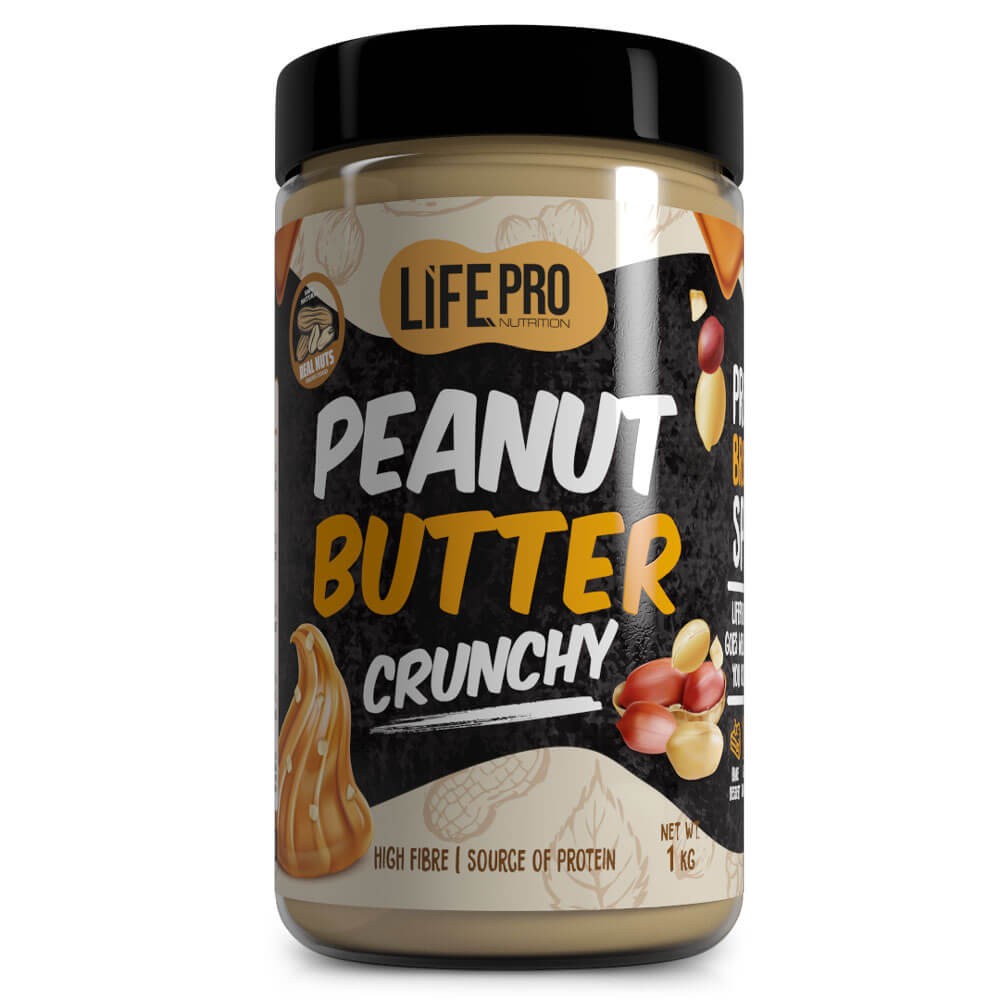 |
LIFE PRO FIT FOOD PEANUT BUTTER CRUNCHY 1KG
Peanut Butter Crunchy de Life Pro es una riquísima crema de cacahuete compuesta por un 100% de cacahuetes molidos y tostados que destaca por su delicioso sabor y su textura crujiente. |
8.51€ 9.45€ | Ver producto |
Their properties:
Protein:
Peanuts are a source of plant-based protein. Unlike many other plant-based sources, they contain all the essential amino acids that the body cannot synthesize on its own.
Source of healthy fats:
Peanuts are an excellent source of fat for the body. They mainly provide monounsaturated and polyunsaturated fatty acids (Omega 6).
Among the monounsaturated fatty acids, oleic acid stands out. This fatty acid helps reduce bad cholesterol (LDL) and increase good cholesterol (HDL).
Source of nutrients:
Peanuts are an excellent source of vitamins and minerals. Their Vitamin E content stands out, as it has a great antioxidant capacity. They also provide folic acid and minerals such as magnesium, phosphorus and zinc.
Do peanut butter and whole peanuts have the same properties?
It will depend on the spread chosen. The spread is obtained by grinding peanuts. After this process, other ingredients may or may not be added, such as sugar, salt or even other types of oils.
To choose a healthy spread, it is recommended that it contain just 1 ingredient: peanuts, whether roasted or natural. They contain their own healthy fats, which give them this creamy and smooth texture, without the need to add other types of oils. It will depend on the brand and product chosen.
The peanut spreads you can find at Life Pro have been made exclusively with 100% roasted peanuts, preserving their natural properties.
Why are peanuts not a nut?
This is one of the most common misconceptions. Although many people consider peanuts to be nuts, botanically speaking, they are actually legumes.
They belong to the legume family, specifically to the genus called Arachis. Furthermore, unlike other nuts that can grow on trees, such as almonds, hazelnuts, etc., they grow underground.
They are also considered a legume because the nuts contained inside a hard shell do not open naturally to release the seed. Peanuts, on the other hand, have a pod that, over time, opens on its own to release the seed.
Other frequently asked questions about peanuts
Do they contain gluten?
Naturally, they should not contain gluten. Despite this, it is recommended that you carefully check the labeling. They may contain traces of other nuts and therefore be subject to cross-contamination.
Are they suitable for vegan or vegetarian diets?
Yes, they come from a plant that grows underground. They are plant-based and do not contain products or compounds of animal origin.
What is the recommended amount of cashews to consume per day?
The recommended amount of peanuts may vary depending on the person and their nutritional needs.
Can peanuts make me gain weight?
They cannot make you gain weight on their own. An increase in body weight may be due to multiple factors, and the most relevant is total calorie intake:
- If we are in a caloric surplus, we will gain weight.
- If we are in a caloric deficit, we will lose weight.