

What is cottage cheese?
Cottage cheese, also known as “granulated cheese“, is made from curdled milk and has a lumpy texture. This type of cheese is not pressed, which is why it maintains its characteristic texture, with curds, while also being creamy.
How is cottage cheese produced?
Cottage cheese is made from milk. Like most cheeses, it begins with a curdling process. To do this, a coagulant is added to the milk in order to separate the whey from the curds. A lactic culture or an acid such as lemon juice or vinegar is used.
This curd is cut into different-sized pieces and cooked until all the whey is released. The remaining whey is then drained and the cooking is stopped. Salt and cream are generally added to obtain a creamy texture while maintaining the curds.
What are its nutritional benefits?
Source of protein:
Cottage cheese is an excellent source of this macronutrient. It has a high content of proteins with high biological value. Protein is the macronutrient responsible for the maintenance and construction of muscle tissue. It provides between 10 and 15 grams of protein per 100 grams of product.
Low fat content:
Depending on the cottage cheese selected, as different options can be found on the market, they contain between 1% and 4% fat.
Source of vitamins and minerals:
Cottage cheese is an excellent source of calcium. It also provides potassium, sodium, and phosphorus. As for vitamins, it mainly provides those in the B group.

What are the differences between cottage cheese and ricotta?
Cottage cheese and ricotta are two types of fresh cheese that can be confused because of their somewhat similar appearance and texture, but they also have significant differences. How can you tell them apart?
The main differences result from the production process, specifically during the cutting of the curd.
The curd is broken into larger pieces and is also separated from the whey through gentle cooking. Ricotta, on the other hand, is left in much finer curds. In other words, the curd is not broken into large pieces. Its texture is drier, and it contains more curds, but they are smaller.
As for flavor, ricotta has a milder and less acidic taste.
Who is cottage cheese recommended for?
Cottage cheese is a food suitable for practically everyone, nutritious and with an excellent nutritional profile. This type of cheese is ideal for including in all kinds of diets and eating styles, for example:
- People who are looking to lose weight. It is low in calories and fat, with a high protein content that will help you stay full and avoid muscle loss.
- People looking to gain or maintain muscle mass. Due to its high protein content, it is an excellent source to include in your daily diet and meet your requirements.
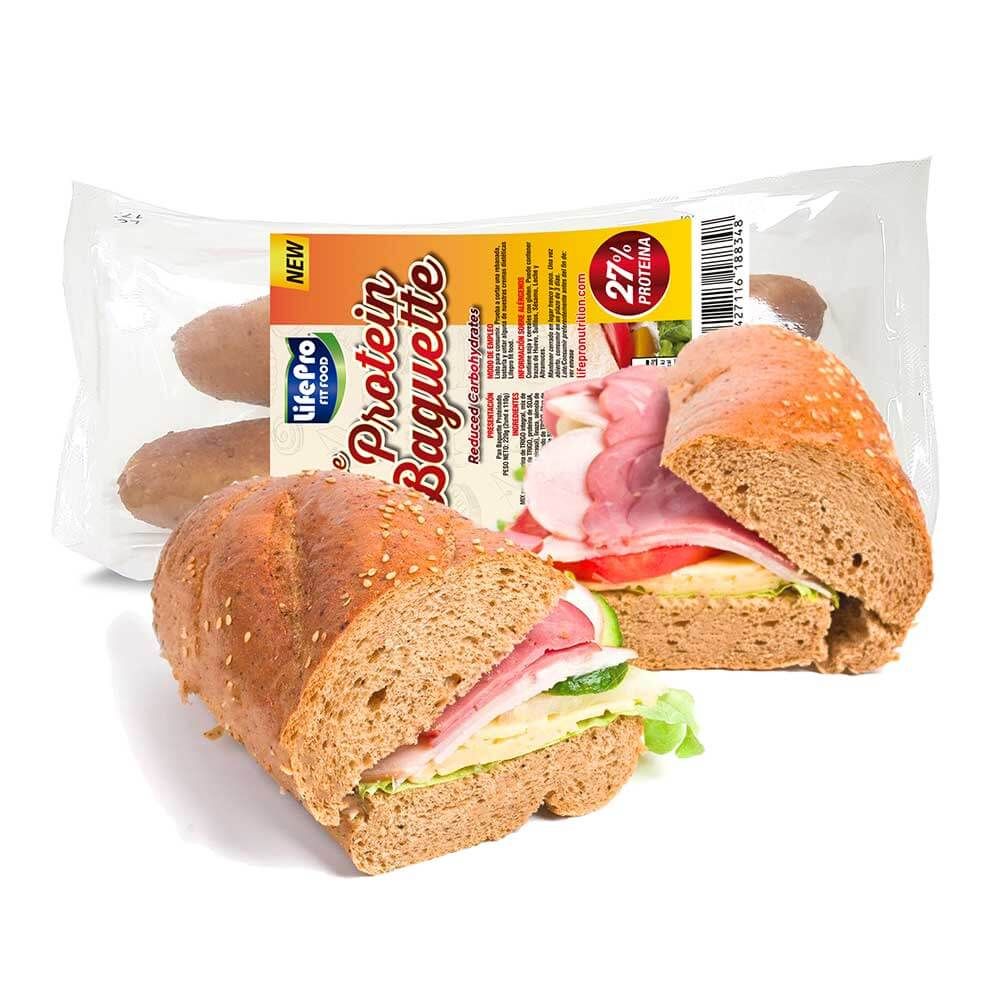 |
LIFE PRO FITFOOD PROTEIN BAGUETTE 2x120G
Delicioso pan alto en proteínas, con un 27% de proteína y un 14% de fibra de Life Pro Fit Food. Es la alternativa perfecta para aquellos que no quieren renunciar a un delicioso y riquísimo pan, siendo una fuente de proteína y fibra. |
3.58€ 3.98€ | Ver producto |
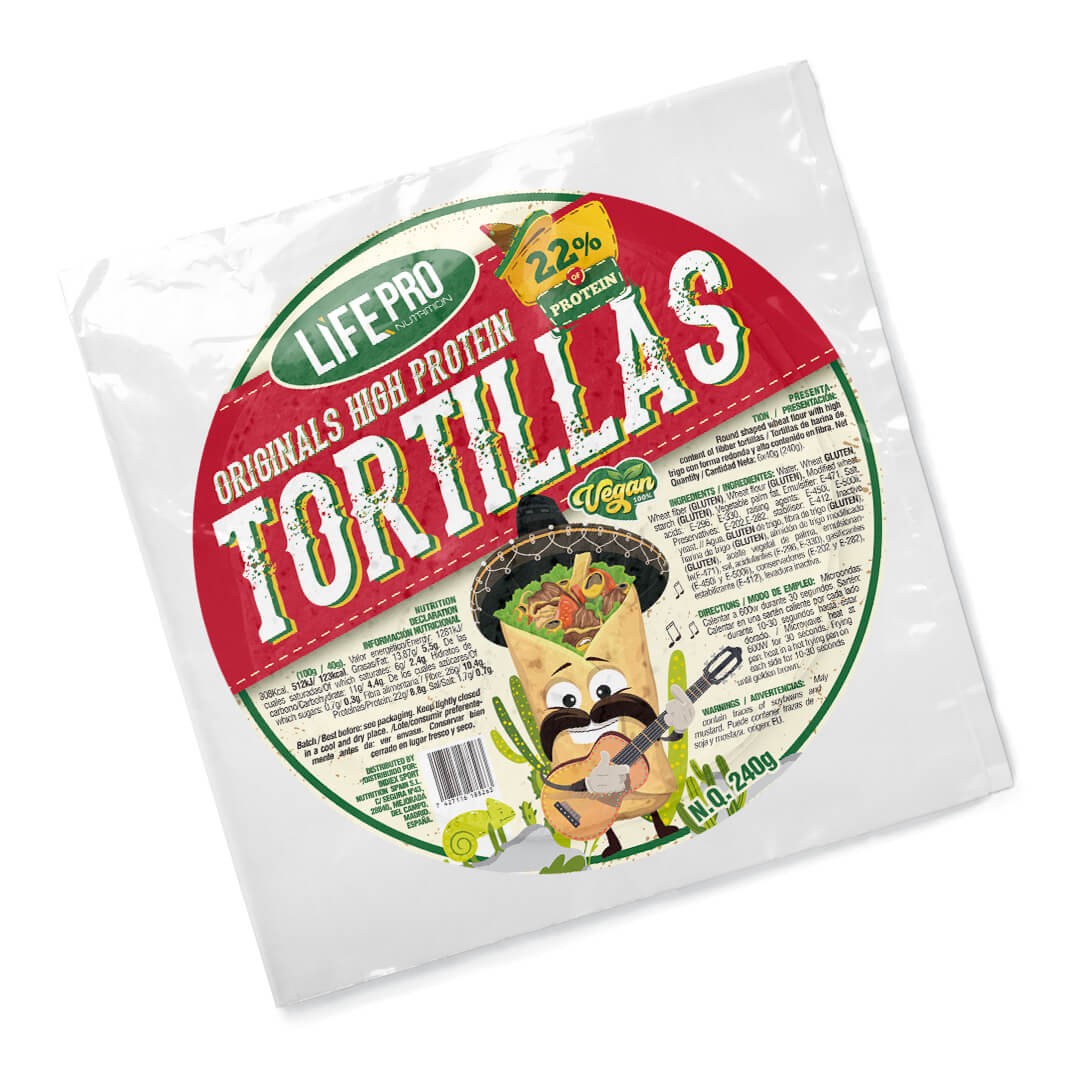 |
LIFE PRO FIT FOOD TORTILLAS HIGH PROTEIN 6X40G
Exquisitas y deliciosas tortillas mexicanas proteínadas tipo wrap, con 22% de proteína por cada tortilla. |
5.85€ 6.50€ | Ver producto |
How can you include cottage cheese as part of your diet?
Cottage cheese is a very versatile food in the kitchen, as you can incorporate it into a wide variety of dishes and prepare countless recipes with it:
- Breakfasts: you can add it to your toast, healthy crepes, or even combine it with fruit.
- Main dishes: from salads and pasta to using it as part of the filling for wraps, with eggs, or even with vegetables.
- Desserts: together with honey and nuts, you can prepare different high-protein desserts without cooking.