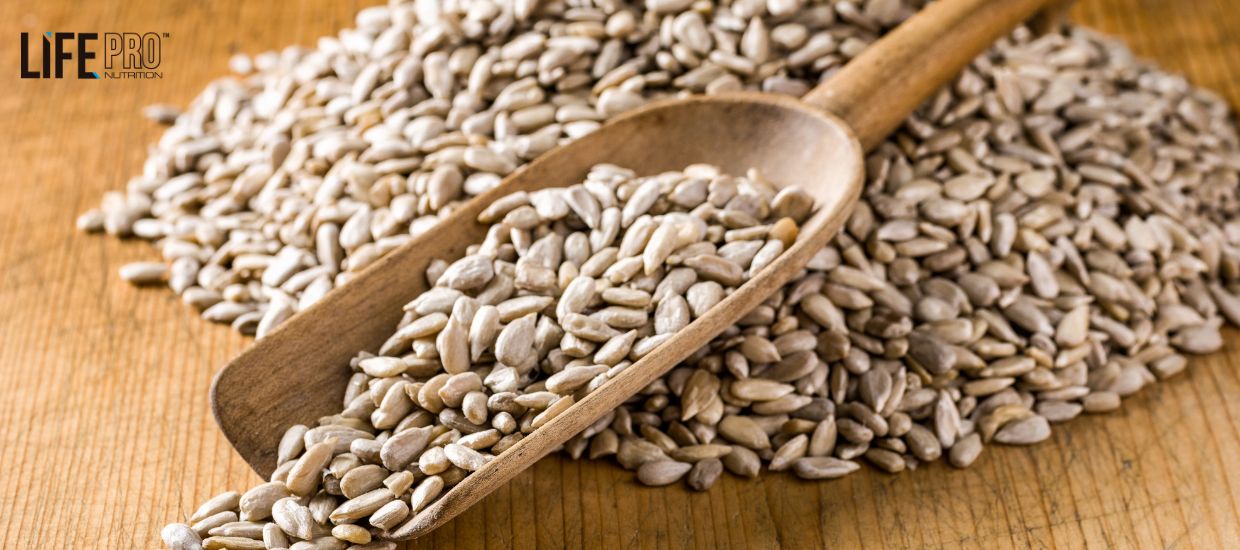

Seeds, commonly considered a snack, are a source of healthy fats and other nutrients beneficial to the body. In this post, we tell you about the benefits and properties of pumpkin and sunflower seeds. As a result of their nutritional profile, they are a very interesting option to include as part of your diet, providing an extra boost of vitamins, minerals and even protein.
Pumpkin seeds:
As their name indicates, pumpkin seeds are obtained from pumpkins. Pumpkins originated in North America. Pumpkin seeds have a distinctive green color, are larger than sunflower seeds and are flat. They are covered by an inedible white shell.
Their properties:
Pumpkin seeds are an excellent source of protein, healthy fats, vitamins and minerals:
- Source of healthy fats: sunflower seeds are primarily a source of healthy fats, rich in unsaturated fatty acids (Omega 6 and Omega 9). Omega 6, or linoleic acid, is the most abundant. Omega 9, or oleic acid, helps maintain good cardiovascular health and has anti-inflammatory properties.
- Vitamins and minerals: they contain high amounts of vitamin E and B-group vitamins. Vitamin E is characterized by its antioxidant properties, helping to combat oxidative stress. As for minerals, they are a source of magnesium, zinc, iron and phosphorus, essential minerals for bone health, metabolism and the immune system.
- Protein: approximately 30% of the composition of pumpkin seeds consists of protein.
What are the benefits of consuming pumpkin seeds?
Pumpkin seeds are an excellent source of energy for the body. Although, like other sources of fat, they have a high calorie content, they provide sustained energy. This is due to the combination of protein, healthy fats and fiber. Each 100 grams of pumpkin seeds provides 559 kcal. In addition, for this same reason, they help us stay full for longer.
How can you include pumpkin seeds in your diet?
You can include pumpkin seeds in different ways to take advantage of their benefits:
- As a snack: you can buy pumpkin seeds or shelled pumpkin seeds in different supermarkets and food stores.
- Add them to salads: to incorporate a crunchy touch into your salads.
- On toast: together with spreadable cheese, peanut butter or your favorite toast combination, as a topping.
- In recipes: for example, you can add them when preparing homemade bread, muffins or even granola or cookies.
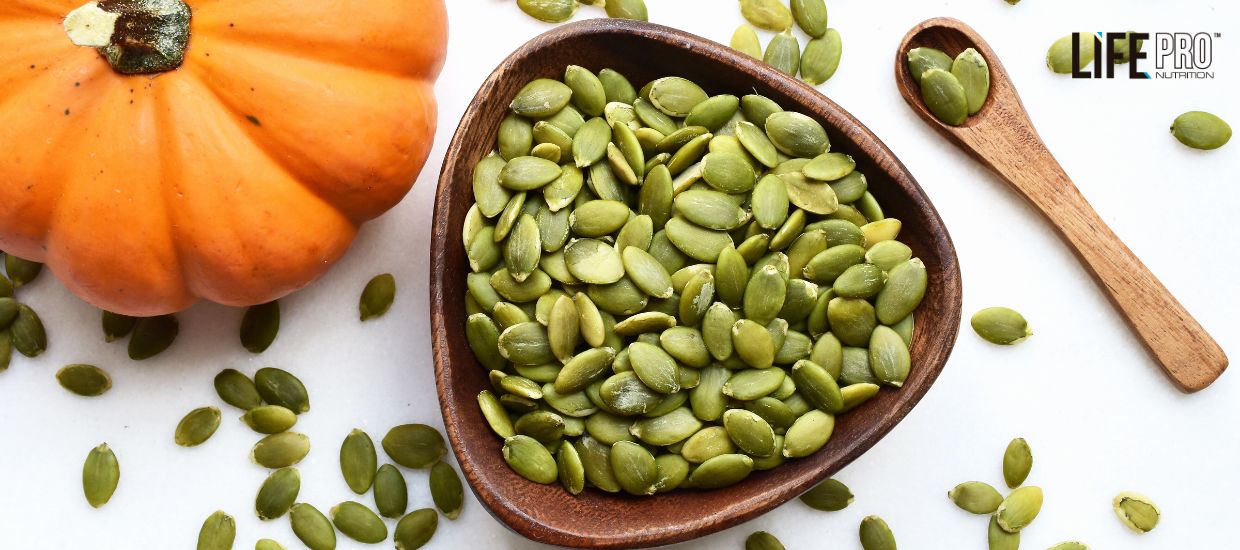
Sunflower seeds:
Sunflower seeds originate from North America, although they are currently cultivated worldwide. There are different varieties of sunflower seeds: striped sunflower seeds, which are usually those used directly for consumption, and black sunflower seeds, which are used to produce oil.
Benefits of seeds:
Sunflower seeds have a wide range of properties as a result of their composition:
- Source of healthy fats: like pumpkin seeds, they contain a high proportion of two polyunsaturated fatty acids: Omega 6 and Omega 9.
- Protein content: they provide 9 essential amino acids. Plant-based proteins usually lack one or more essential amino acids, so different sources are generally combined to obtain all of them. The fact that sunflower seeds contain all the amino acids is a great advantage, especially for vegans and vegetarians.
- Vitamins and minerals: they are an excellent source of magnesium, phosphorus and selenium, vitamin E, thiamine and niacin.
- Calorie content: sunflower seeds, like pumpkin seeds, are a source of energy; every 100 grams provides 580 kcal (edible portion).
Nutritional composition:
| Per 100 grams of edible portion | |
| Energy (Kcal) | 580 kcal |
| Carbohydrates | 20 g |
| Fiber | 2.7 g |
| Protein | 27 g |
| Fats
Of which saturated Of which monounsaturated Of which polyunsaturated |
45 g
5.3 g 13.7 g 21.52 g |
How can you include sunflower seeds in your diet?
You can include sunflower seeds in a similar way to pumpkin seeds to take advantage of their benefits:
- As a snack: with or without the shell, they are an excellent snack option. In addition, it is easy to find different varieties, for example, salted, unsalted or even with different flavors.
- Add them to your meals: in salads, pasta or even with chicken or as part of sauces.
- In homemade recipes (bread, cookies, etc.)