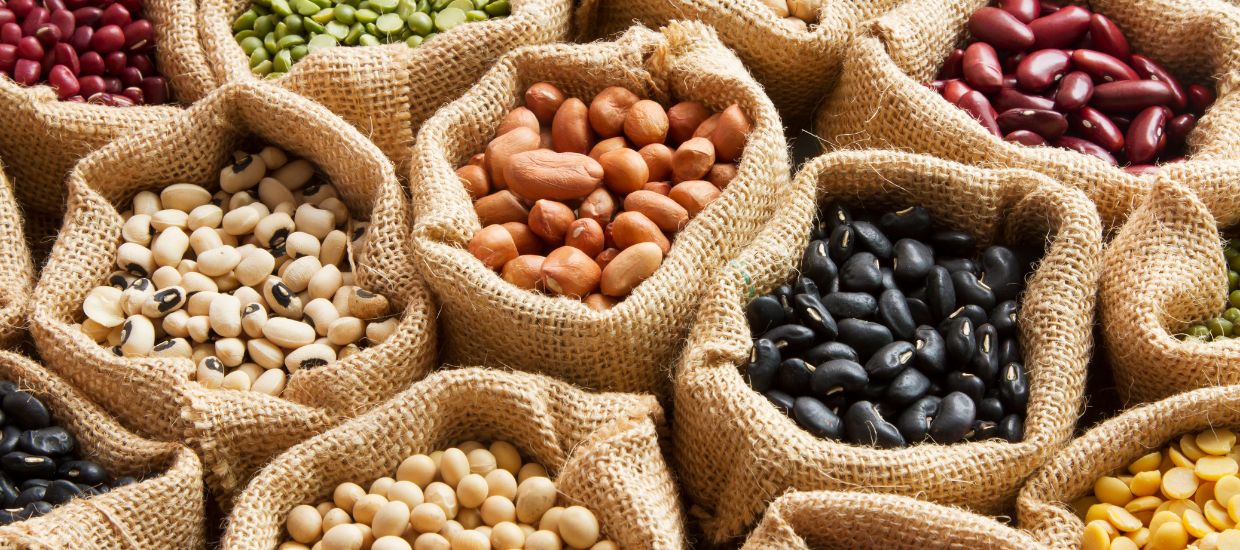

Continuing with the previous articles about the properties and characteristics of minerals in the body, in this post we continue explaining the properties of potassium, zinc and manganese. Minerals in the body, together with vitamins, are part of the group of micronutrients. They are essential for carrying out a large number of physiological processes every day-
Potassium:
What is it?
Potassium is a mineral that is part of the electrolytes. The highest concentration of potassium is found inside the intracellular fluid. It is necessary for carrying out a large number of functions at the muscular and cardiac levels, among others.
What are its main functions?
The main functions performed and/or participated in by potassium in the body are:
- It helps regulate the body’s pH.
- It is essential for the process of protein synthesis
- It is necessary for the generation of nerve impulses and heartbeats
- It lowers blood pressure
- It helps regulate water balance and acid-base balance
Sources of potassium:
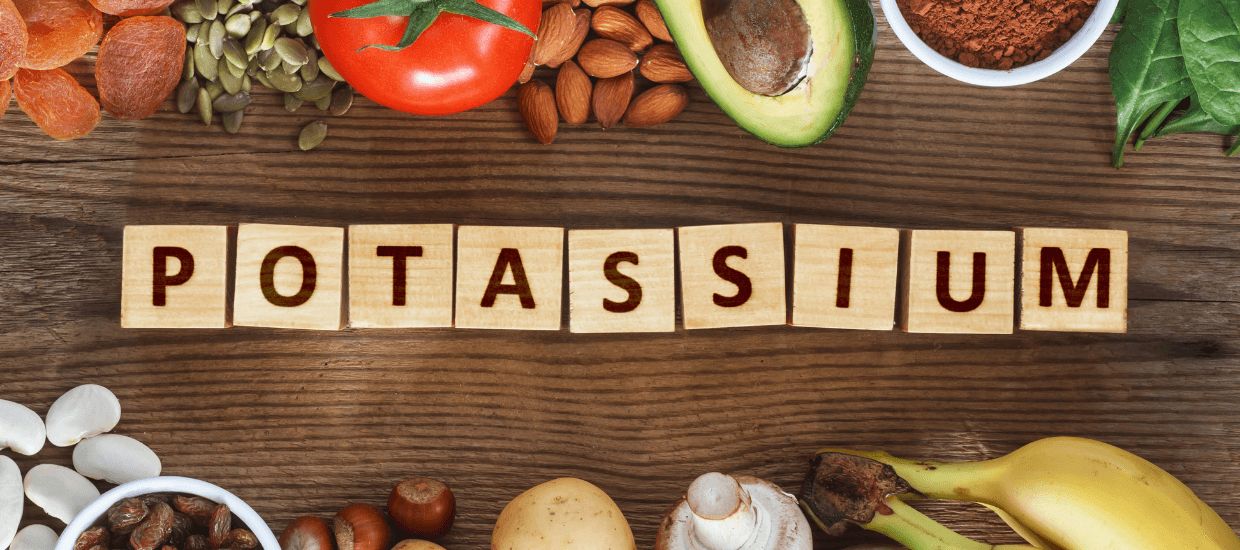
Potassium can be obtained by consuming foods such as:
- Fruit: bananas, oranges, lemons, apricots…
- Red meat
- Chicken
- Whole grains and legumes
- Vegetables: broccoli
Zinc:
What is it?
Zinc is a mineral present in a large number of tissues throughout the body, and is used in a large number of functions. From DNA production to the functioning of the immune system.
Metabolism:
Zinc is taken up from the blood by various tissues, such as the liver, skin, bone and kidney. Unlike other minerals, zinc cannot be stored in the body. There are no zinc reserves. Zinc is eliminated through the feces, bile, pancreatic secretions and mucosal cells.
What are its main functions?
The main functions performed and/or participated in by zinc in the body are:
- It promotes the process of wound healing.
- It is essential for the proper functioning of the reproductive organs and the prostate gland.
- It strengthens the immune system. It plays a role as an antioxidant.
- It is essential for growth and development at different stages of life.
- It promotes the absorption of vitamin A.
Sources of zinc:
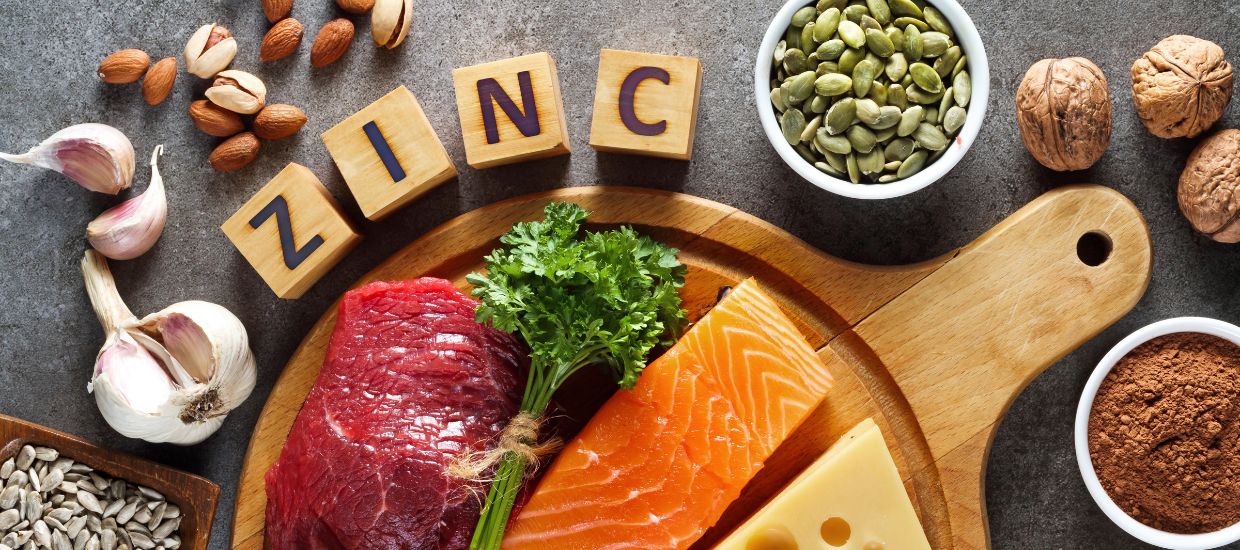
Zinc can be obtained by consuming foods such as:
- Crustaceans, seafood and mollusks; oysters, crabs, lobsters
- Red meat, poultry, fish, eggs
- Legumes and whole grains
Daily recommendations:
Recommendations regarding the consumption of this mineral will vary according to the person’s age, sex and physiological condition. As a general rule, a daily intake of between 8 mg and 11 mg is recommended.
Manganese:
What is it?
Manganese is part of the group of microminerals. Unlike other minerals mentioned in previous articles, it does not need to be consumed in such large amounts. It is found mainly in a wide variety of plant-based foods.
Metabolism:
Manganese has absorption and transport pathways similar to those of iron. It is absorbed in the small intestine and transported to the liver thanks to albumin.
What are its main functions?
The main functions performed and/or participated in by manganese in the body are:
- The activation of numerous enzymes.
- It promotes the assimilation of vitamin E.
- It is involved in the synthesis of different fatty acids.
- It may help strengthen memory.
- It participates in cartilage formation and helps maintain bones in good condition.
Sources of manganese:
Manganese can be obtained by consuming foods such as:
- Legumes: soybeans, lentils
- Cereals and whole grains such as: oats, brown rice, whole-wheat bread
- Nuts: walnuts, hazelnuts.
Daily recommendations:
Manganese consumption is not as high as that of other minerals. A daily intake of between 1.8 and 2.3 mg is recommended.