

The artichoke (Cynara scolymus) is a plant from the Asteraceae family. Native to the Mediterranean, it is highly valued in cooking for its unique flavor and versatility, but also in the world of health for its properties. Artichoke can be consumed steamed, boiled, grilled, in creams, and even as an infusion.
One of the most unique curiosities about artichoke is due to a compound called cynarin . After consuming it, many people notice that water or even other liquids acquire a sweeter-than-usual taste. This happens because cynarin stimulates the taste buds , temporarily altering the perception of flavor.
The nutritional values of artichoke:
Per 100 grams, it provides:
| Calories | 47 kcal |
| Protein | 3.3g |
| Carbohydrates | 10.5g |
| Fats | 0.2g |
| Fiber | 5.4g |
Why are diuretic effects attributed to artichoke?
The diuretic effects of artichoke are mainly due to its composition, which is rich in bioactive compounds such as cynarin and flavonoids , as well as its naturally high potassium content. Various scientific studies support the use of artichoke extract for its hepatoprotective , digestive, and mild diuretic properties . Although its effects are not as potent as those of pharmaceutical diuretics, artichoke is considered a natural diuretic.
These components make artichoke a natural diuretic.
Cynarin: the key diuretic compound in artichoke. Specifically, a phenolic compound present in the leaf and heart of the artichoke, it plays a crucial role in liver and biliary function . It promotes the elimination of fluids from the body through urine.
Rich in potassium and low in sodium:
Another factor contributing to the mild diuretic effects of artichoke is its potassium content , an essential mineral that regulates the body’s fluid balance. As it is low in sodium , artichoke promotes the excretion of sodium through urine, helping to naturally reduce fluid retention.
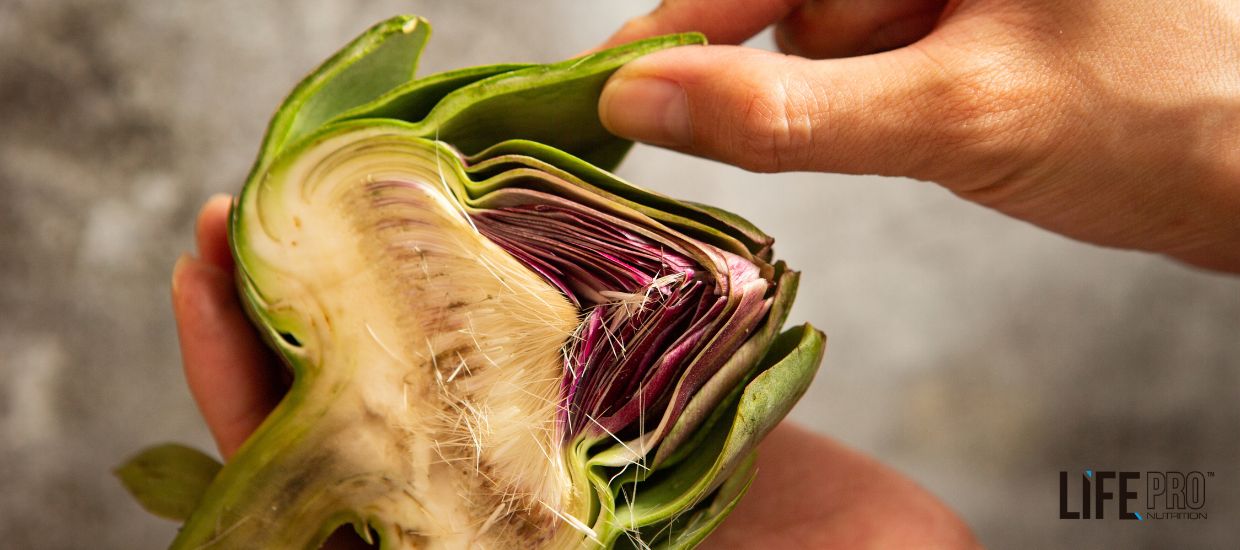
The nutritional properties of artichoke:
High fiber content:
Artichoke is one of the vegetables with the highest fiber content . It provides around 5.4 g per 100 g. Including fiber in the diet is essential since it helps to:
- Improve intestinal transit
- Increase satiety
- Control glucose levels
- Promote a healthy gut microbiota, among other benefits…
Essential vitamins:
Among its most notable vitamins are:
- Vitamin C: a powerful antioxidant that strengthens the immune system.
- Vitamin K: essential for blood clotting and bone health.
- Folate (B9): important during pregnancy and for cell regeneration.
Minerals:
- Potassium: regulates blood pressure and fluid balance.
- Magnesium: essential for the nervous and muscular systems.
- Phosphorus: key to bone health and energy metabolism.
When should you consume artichoke as part of your diet?
Artichoke consumption is especially recommended during its harvest season. The artichoke season varies depending on the region , climate, and type of cultivation , but it is generally enjoyed during the following seasons:
In Spain, the artichoke season runs from early spring to early summer, that is, between March and June.
During these months, artichokes are at their best in terms of quality and freshness. Outside the main season, artichokes can be found in stores throughout the year, especially if they have been imported from other regions or stored properly. In addition, artichokes are also available canned or frozen , allowing you to enjoy their benefits at any time of year.