
Diets are those that are balanced, sustainable, and alternatives to others. They also help minimize the impact that food has on the environment.
Whenever we talk about “Types of sustainable diets,” it implies taking several factors and aspects into account. The essential ones are the following:
- Where the food comes from.
- Emissions generated.
- Packaging and waste (environmental pollution).
- Practices carried out in agriculture and livestock farming.
- Changes in ecosystems.
- Animal and plant-based origins.
The diets we are going to discuss are the following:
- Planetary diet
- Vegetarian diet
- Flexitarian diet
- Mediterranean diet
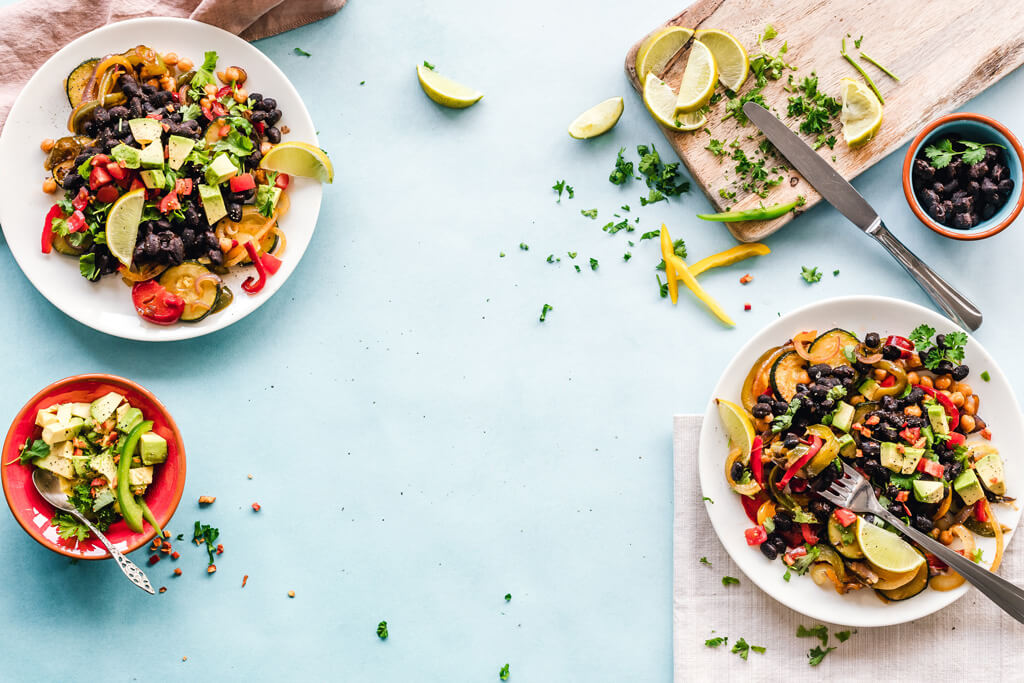
Planetary Diet
The main objective of the planetary diet is to combat the harmful effects caused by environmental pollution (global temperatures, increasing pest populations, etc.).
Pros: it addresses all the important factors that contribute to sustainable eating (food packaging, the impact of food, etc.).
Foods: consuming 2500 Kcal/day is recommended, and the diet is based on vegetables, fruit, nuts, etc.; in other words, reducing the intake of one food group and increasing that of another, healthier group.
Steps to follow:
- Shop close to home (to reduce greenhouse gas emissions from cars, etc.).
- Always choose organic products.
- Eat less meat (one of the largest sources of greenhouse gas emissions).
- Do not throw away food.
- Do not use plastics.
- Improve the way you cook (use more efficient appliances).
Vegetarian Diet
The vegetarian diet excludes all products of animal origin.
Pros: it focuses on environmental concerns and does not support the killing of animals; it also offers lower toxicity in the body, lighter digestion, etc.
Foods: the vegetarian/vegan diet includes foods such as vegetables, fruit, whole grains, nuts and seeds, legumes, etc. Eggs or milk can even be included in a lacto-ovo-vegetarian diet.
Steps to follow:
- Gradually replace foods that come from animals.
- Look for new ingredients.
- There are many plant-based substitutes (if you do not eat eggs, there are many foods that can help you prepare your recipes).
- The same applies to honey; it can be replaced.
- Consult a specialist for help.
- B12 supplements.
Flexitarian Diet
The flexitarian diet is followed by people who are generally vegetarian, but occasionally eat meat and fish—those who eat meat once or twice a month.
Pros: it focuses on reducing greenhouse gas emissions for the planet. It increases life expectancy, is compatible with sports, and reduces the risk of cancer and other diseases.
Foods: fruit, vegetables, legumes, and grains; foods from animals such as eggs, dairy products, honey, etc. are also allowed. Meat and fish are eaten occasionally.
Steps to follow:
- Include plant-based foods.
- Reduce animal-based foods.
Mediterranean Diet
The Mediterranean diet is a lifestyle that features products traditionally found in the Mediterranean basin. It is based on the traditional cuisine of the countries bordering the Mediterranean.
Pros: it values Mediterranean traditions and is based on ingredients that are easy to obtain; it also benefits health (overall cholesterol reduction).
Foods: olive oil, grains, vegetables, and dairy products. Fish, seafood, poultry, etc. are included in moderation. Red meat and sweets are consumed very occasionally.
Steps to follow:
- Prepare plant-based meals.
- Eat fish at least two or three times a week.
- Use olive oil instead of butter.
- Fruit.
- Reduce your consumption of sweets and red meat.