

1- What is it?
Creatine is a natural compound which, despite being known as one of the most widely used supplements in the world of sports, is a compound that the body produces naturally in certain amounts.
Creatine is produced from three amino acids: arginine, methionine and glycine. Within our body, it is stored mainly in the muscles and brain. We also consume a certain amount through our diet, for example, from meat, fish, etc.
2- What is creatine used for?
Creatine is stored in muscle tissue in the form of phosphocreatine. Its main function is to help regenerate ATP, the main source of energy at the cellular level. One of the situations in which it is used as a rapid energy source is during high-intensity exercise, such as repetitions of strength-training sets or even sprints.
Therefore, especially as a supplement, it helps improve muscle power and strength and endurance during explosive exercises. It also helps improve recovery capacity and may even provide cognitive benefits, such as improved concentration and memory.
3- How many types of creatine are there?
There are different types that you can buy and take:
Creatine Monohydrate:
This is the most studied and most widely used type of creatine among athletes. It is considered one of the most effective due to the scientific evidence supporting it. In addition, some creatine monohydrate products may come in micronized form, improving their solubility.
Ethyl Ester:
It is known by its acronym CEE. It is characterized by rapid absorption and high bioavailability. Studies have shown that it breaks down before being absorbed, making it less effective. It is more expensive and less efficient than monohydrate.
Creatine Kre Alkalyn:
To produce it, its pH is raised from 7 to 12 to increase the absorption rate. This formulation prevents its conversion into creatinine, which is excreted in the urine.
Malate:
It is made up of a combination of creatine and an energy precursor called malate. There are not enough studies to show that it is more effective than creatine monohydrate.
HCL:
HCL creatine, or hydrochloride, is a variant in which the creatine molecule is bonded to a hydrochloric acid group (HCL). The objective of this combination is to improve its solubility in water, resulting in better absorption by the body.
Despite this, it has not been scientifically proven to work better than creatine monohydrate.
4-How much should be taken per day?
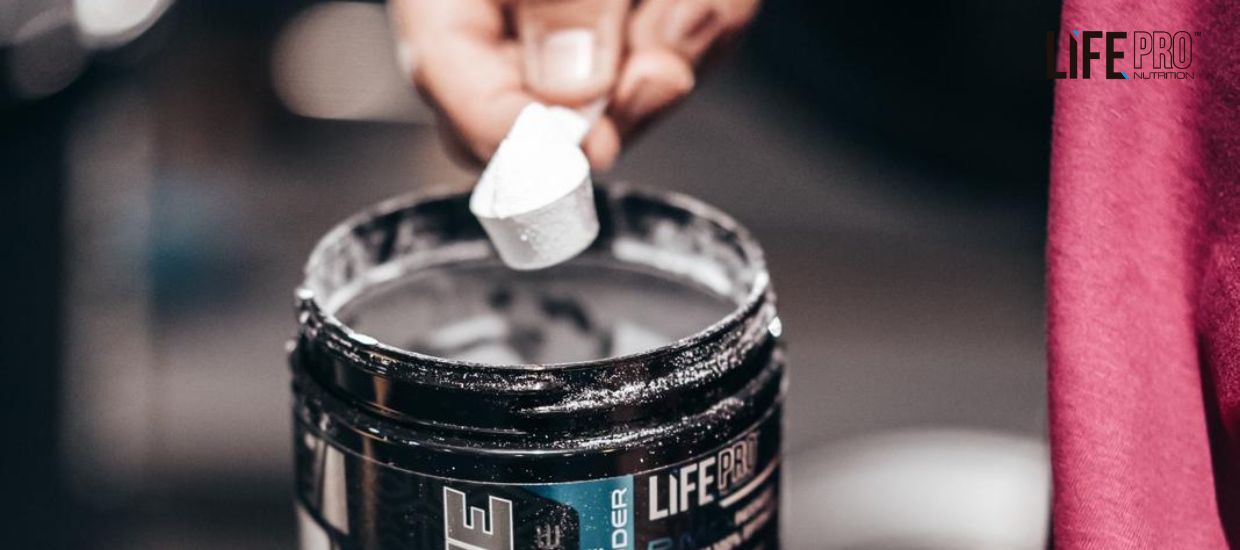
The amount depends on body weight. Taking 0.1 g per kilogram of body weight is recommended. In other words, if a person weighs 75 kg, they should take 7.5 grams per day.
5- Why is it necessary to take creatine every day to notice its effects?
This amino acid is a supplement that works through saturation. In other words, it must be taken every day in order to saturate the muscle until an optimal level is reached. If it is taken sporadically, the same level of saturation is not achieved and, as a result, not all of its benefits are obtained.
6- Should creatine be taken on rest days?
Yes, on rest days you should continue supplementing with creatine.
7- Does creatine cause water retention?
The type of retention it causes is at a muscular level. Within the muscle. Creatine does not cause fluid retention at a subcutaneous level, meaning retention that you can perceive. You will not look more bloated, nor will it cause the well-known water retention.
8- Which type of creatine is the most effective?
Creatine monohydrate is the variant with the greatest number of studies and the most scientific evidence supporting its benefits.
9- Can I add it to my protein shake?
Yes, you can add creatine to your protein shake. It does not interfere with or affect the benefits of either supplement.
10- Creatine in tablets or powder?
When taken at the appropriate dose, both work in the same way. Powder is easier to mix into liquids and makes it easier to calculate more precisely the exact amount your body requires.
Supplementation in tablet form may be more convenient for people who prefer not to measure or mix supplements with water.
11- Is the Creapure seal really necessary?
It is not mandatory, but it is considered a seal of quality. Creapure is a certification that a supplement may or may not have. This seal primarily guarantees its purity.
If you want to make sure you get a supplement of the highest quality, we recommend choosing one that bears the Creapure seal. Even so, it is not the only option, and other creatines can be just as effective as long as they have the appropriate purity and quality tests.
12- Is it really one of the supplements with the most scientific evidence?
Yes. It is one of the most studied supplements and has scientific evidence supporting it.