

What is thiamine or vitamin B1?
Thiamine, also called vitamin B1, helps convert the food you eat into the energy you need. Thiamine is essential for the growth, development, and functioning of the nervous system.
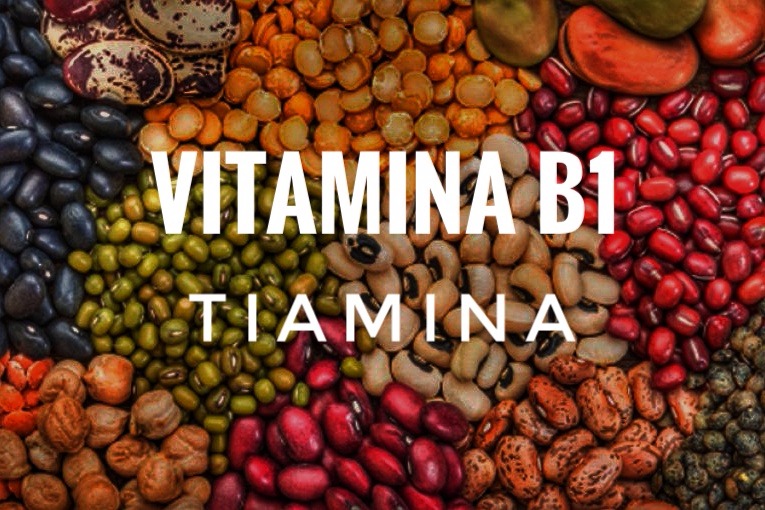
What foods contain thiamine or B1?
Thiamine is naturally present in many foods and is added to some energy foods. You can obtain the benefits of thiamine by eating a variety of foods, including:
- All basic and energy foods, including bread, cereals, pasta, and rice.
- Meat (especially pork) and fish Beans (black beans, soybeans, etc.)
- Seeds, nuts.
What types of foods contain thiamine?
Thiamine is available in multivitamin/multimineral supplements, vitamin B complex supplements, and thiamine-only supplements. The most abundant forms of thiamine in foods are thiamine mononitrate and thiamine hydrochloride. Some medications use a synthetic form of thiamine called benfotiamine.
Are you getting enough thiamine or B1 from food?
In the United States, most people do not get enough vitamin B1 or thiamine, since the quality of food is not ideal in most cases, which is why they take supplements that help them reach adequate levels for vital functions. However, some people have more difficulty obtaining thiamine than others.
- People with alcohol addiction.
- HIV/AIDS.
- Diabetics.
- Those who have had bariatric surgery .
Talk to your doctor about thiamine and other diets to determine which medications are best for you.
What happens if I don’t get enough thiamine or B1?
A thiamine deficiency can occur when you do not get enough thiamine from the foods you eat or your body absorbs too much or too little thiamine. Thiamine deficiency can lead to weight loss and loss of appetite, confusion, memory loss, muscle weakness, and heart problems.
Severe thiamine deficiency leads to a condition called beriberi, which also causes additional symptoms such as tingling and numbness in the hands and feet, loss of muscle tone, and weak reflexes.
Are there benefits to consuming thiamine or vitamin B1?
Scientists are studying thiamine to better understand its health benefits. Here are some examples of these discoveries:
- Diabetes. People with diabetes often have low levels of thiamine in their blood.
Researchers are studying how taking thiamine may improve blood sugar and blood sugar levels in people with type 2 diabetes. They are also studying whether benfotiamine (a synthetic form of thiamine) may help treat brain damage caused by diabetes.heart attack Many people with heart failure have low levels of thiamine. Scientists are investigating whether thiamine may help people with heart disease.
- Alzheimer’s disease.
Researchers are investigating the possibility that thiamine deficiency may play a role in Alzheimer’s disease dementia. More research is needed to determine whether thiamine supplementation promotes mental health in people with Alzheimer’s disease.
Frequently asked questions:
- Can thiamine cause problems?
Thiamine has not been shown to be harmful.
- Does thiamine interact with other medications or dietary supplements?
Yes, quite a few added medications or dietary supplements reduce thiamine levels in the body.
- Are there foods that contain thiamine?
Yes, foods that contain vitamins, minerals, fiber, and other healthy ingredients.