
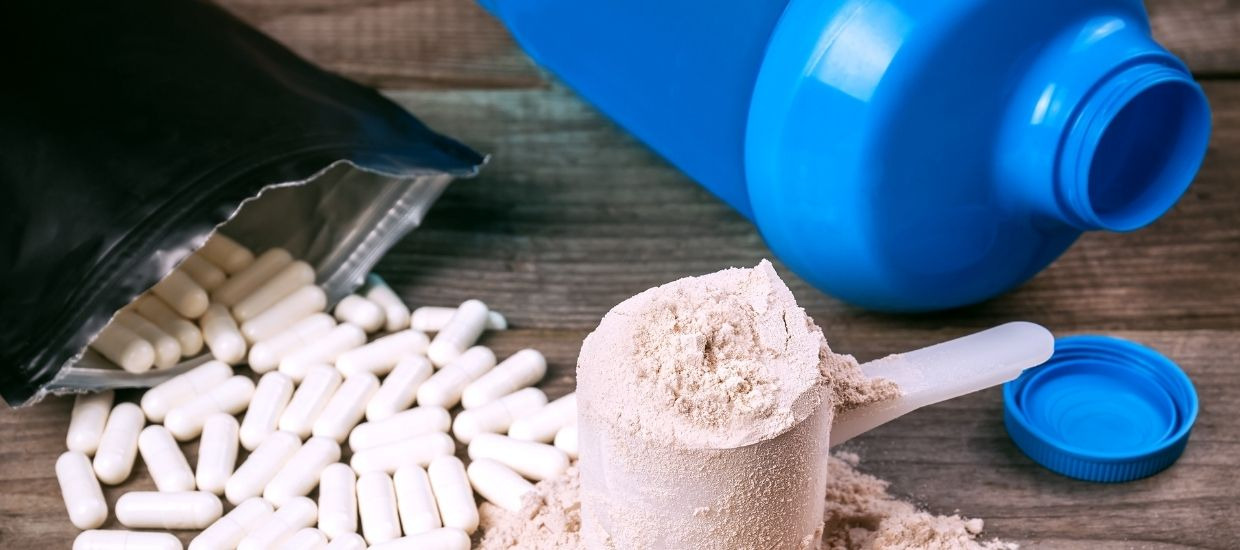
What is L-Glutamine?
It is a non-essential amino acid whose main function is to be transformed into glucose when required and prevent the loss of muscle mass. It also makes up approximately 60% of skeletal muscle tissue and is a source of nitrogen, as it is one of the few amino acids that contains two nitrogen atoms. But what is L-Glutamine?
It is the most abundant amino acid among the total number of amino acids in the body. Being classified as non-essential means that it is produced naturally, without the need to be consumed through supplementation or food.
Between 4% and 8% of the protein in certain foods is glutamine. Despite this, supplementation with this amino acid offers numerous benefits when it comes to improving athletic performance and gaining muscle mass. It is synthesized from glutamic acid; branched-chain amino acids, or BCAAS, can act as precursors to this compound.
 |
LIFE PRO GLUTAMINE 250G
Tras entrenamientos intensos, la glutamina ayuda a reducir el catabolismo muscular y favorece la síntesis de proteínas, acelerando el proceso de recuperación. También contribuye a disminuir el dolor muscular post-entreno y a mantener la masa magra, especialmente en etapas de definición o déficit calórico. La L-glutamina es uno de los veinte aminoácidos que, junto con los demás, forman las proteínas, estructuras fundamentales para el funcionamiento del cuerpo humano. Si bien se clasifica como un aminoácido no esencial —porque el cuerpo puede sintetizarlo a partir de otros como la valina, la isoleucina o el ácido glutámico—, en determinadas situaciones se convierte en esencial condicionado. Esto ocurre durante periodos de estrés físico o mental, entrenamientos intensos, infecciones, traumatismos o cirugías, cuando la demanda de glutamina es tan alta que el cuerpo no puede producirla en cantidad suficiente. La glutamina desempeña funciones vitales que van mucho más allá del entorno deportivo. Es clave en la síntesis de proteínas, la protección de la masa muscular y el buen funcionamiento del sistema inmune y digestivo. En el contexto del ejercicio, ayuda a controlar la fatiga muscular, favoreciendo la eliminación de ácidos como el ácido láctico, responsable de las típicas molestias o "agujetas" tras el entrenamiento. |
15.38€ 17.09€ | Ver producto |
 |
LIFE PRO GLUTAMINE 500G
Life Pro Glutamina 500g es una solución avanzada para quienes buscan cuidar su salud desde una perspectiva integral: muscular, inmunológica, digestiva y mental. La L-glutamina es un aminoácido presente en grandes cantidades en los músculos, el sistema digestivo y el torrente sanguíneo. Aunque el cuerpo puede sintetizarla de forma natural, en momentos de alta demanda física o mental como entrenamientos intensos, dietas restrictivas o enfermedades, su producción endógena puede no ser suficiente. Por esta razón, se clasifica como un aminoácido condicionalmente esencial. Este nutriente cumple múltiples funciones: participa en la regeneración de tejidos, el mantenimiento del equilibrio ácido-base, la formación de neurotransmisores y la protección del sistema digestivo e inmune. Además, es una de las principales fuentes de energía para las células intestinales. |
24.83€ 27.59€ | Ver producto |
 |
LIFE PRO GLUTAMINE 500G
Life Pro Glutamine 500 G es un suplemento nutricional basado en la L-glutamina. Contribuye a mejorar la recuperación muscular tras el entrenamiento y potencia el rendimiento físico. |
25.69€ 28.54€ | Ver producto |
Its functions.
Energy production.
This glutamine promotes glycogen synthesis. If energy is required and glycogen stores are depleted, this amino acid can be used as an energy source and can be easily used for ATP resynthesis. It also contributes to greater energy efficiency, a particularly relevant factor for athletes.
Protein synthesis.
Glutamine promotes protein synthesis. As it has a composition rich in nitrogen, it participates in and promotes its transport. A positive nitrogen balance is essential for gaining muscle mass; it also has the ability to increase growth hormone synthesis.
Maintaining muscle mass.
As it can be used by the muscle when required, it prevents the loss of muscle mass.
Antioxidant power.
It is a precursor substance of glutathione, one of the most powerful antioxidants in the body. Glutathione is also a protein whose main function is to protect the cells, tissues, and organs of our body from free radicals and oxidative stress.
Regulation of the acid-base balance.
Glutamine has the ability to transport ammonia (a toxic substance) from the muscle to the liver to be eliminated. It also helps regulate pH, ensuring a balance for acids and bases.
Neurotransmitter.
Glutamine, more specifically glutamic acid, can act as a neurotransmitter in the brain. Neurons use it as a transmitting substance, promoting mental activity and brain functions.
Which foods can I get glutamine from?
- Salmon.
- Eggs.
- Beef.
- Pork.
- Tofu.
- Whole cow’s milk.
- Soy.
- Chickpeas.
- Lentils.
- Corn
- Eggplants.
- Cabbage.
Glutamine supplements.
Types.
The most common form used by people who decide to supplement with glutamine is L-Glutamine. It is the active form of this amino acid and has a very high absorption rate.
The second form is glutamine peptides; they also have a lower elimination rate through urine than the previous form.
Its patented process does not denature the ingredient. In addition, in this case, the amino acids that make up the proteins retain all their natural properties.
Kyowa patent.
Kyowa is a globally recognized patent that ensures the quality and purity of the amino acids used both during and after the production process.
Benefits.
- Prevents the loss of muscle mass.
- Promotes protein synthesis.
- Helps balance pH and eliminate ammonia.
- Promotes energy resynthesis.
- Reduces fatigue levels.
When should I take L-Glutamine?
It can be taken at different times throughout the day, either in one dose or divided into several doses. The basic recommended dose is 5 grams after training. On non-training days, you can either take a break or continue with the same dose.