
What is vitamin C?
Vitamin C or ascorbic acid is a type of vitamin, known and characterized by its antioxidant power within the body. Especially during seasons such as autumn and winter, a large number of people begin supplementing with it with the aim of preventing illnesses and common colds.
Within the total number of vitamins, we can classify them into two major groups: fat-soluble and water-soluble. Within the first group, we find vitamins A, D, E and K. They are characterized by their ability to accumulate reserves in adipose tissue. In the second group, water-soluble vitamins include those of the B group and ascorbic acid. They dissolve in water and cannot be stored. Any excess is eliminated through urine.
The name ascorbic acid comes from the fact that it is essential for curing and preventing scurvy. It stands out for its numerous properties as an antioxidant within the body. Ascorbic acid fights free radicals produced by various factors, such as pollution, tobacco, etc., and attempts to prevent cellular oxidation.
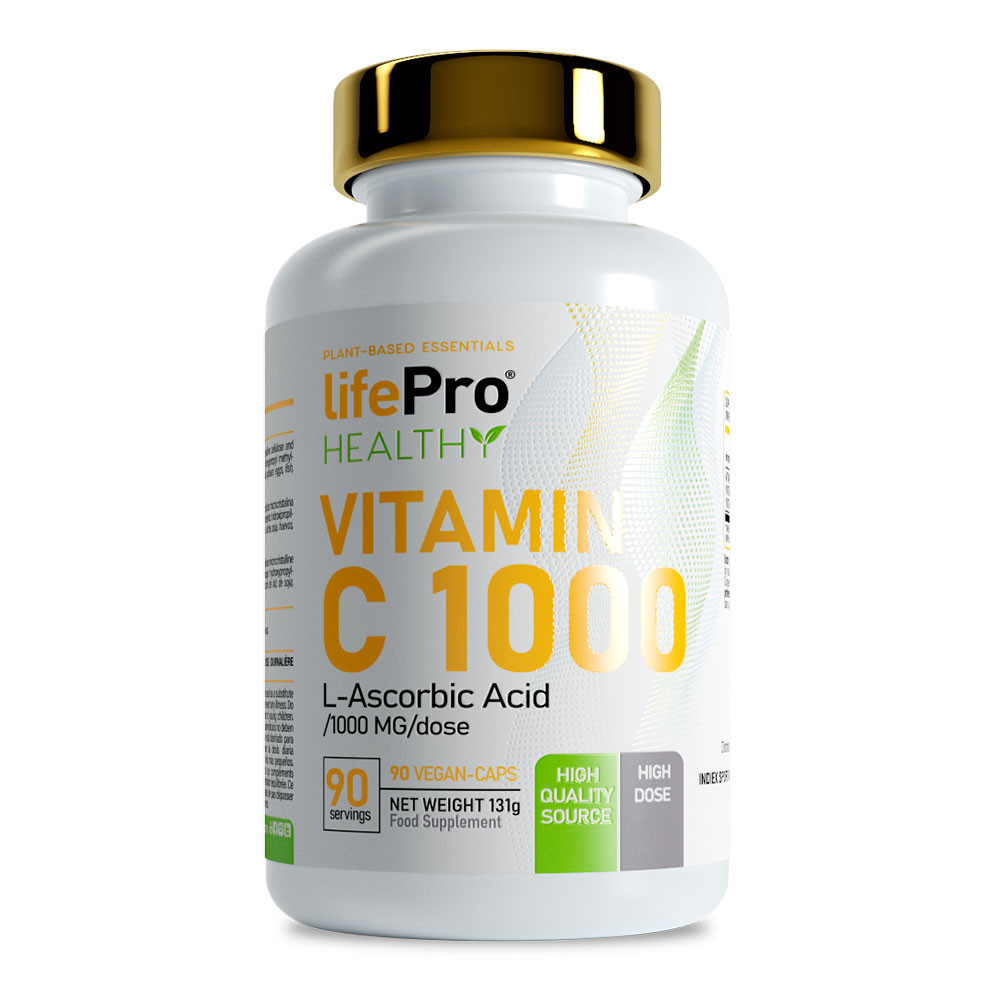 |
LIFE PRO VITAMINA C 1000 MG 90 CÁPSULAS
Life Pro Vitamina C 1000mg. es un complemento alimenticio ideal para todas aquellas personas que necesiten un aporte extra de vitamina C, una de las vitaminas más reconocidas por sus grandes beneficios, entre los que destaca su poder antioxidante |
11.25€ 12.50€ | Ver producto |
Its properties.
Antioxidant properties and the immune system.
Ascorbic acid is characterized by this property. It has a great antioxidant capacity and, as a result, contributes to the maintenance and improvement of the immune system. It promotes an increase in glutathione stores, one of the most important antioxidants.
Its antioxidant capacity is due to the fact that it fights free radicals, which produce oxidative stress for various reasons.
Absorption of other micronutrients.
It promotes iron absorption and reduces the symptoms and likelihood of suffering from anemia.
Collagen formation.
Vitamin C acts as a cofactor for collagen synthesis. Collagen is a protein responsible for maintaining bones, joints, teeth, skin, etc.
L-Carnitine synthesis.
It is involved in the synthesis of L-Carnitine, which, among its functions, promotes the use of fatty acids as an energy source by transporting them into the mitochondria.
Other functions.
- It may reduce LDL cholesterol levels.
- It increases the feeling of energy and vitality.
- It protects neurons from oxidative stress.
Vitamin C in athletes.
When we engage in high-intensity physical exercise, the body generates free radicals as it experiences what is known as oxidative stress. It helps strengthen the immune system after training.
It may help keep tendons and ligaments in optimal condition, as they naturally undergo wear and tear with use and the practice of sport due to their role in collagen synthesis.
It may also promote L-Carnitine synthesis and support fat loss together with the corresponding calorie deficit.
How to obtain vitamin C.
Foods rich in ascorbic acid:
It can be obtained mainly through the consumption of fruits and vegetables, as they have a high concentration.
Some examples are:
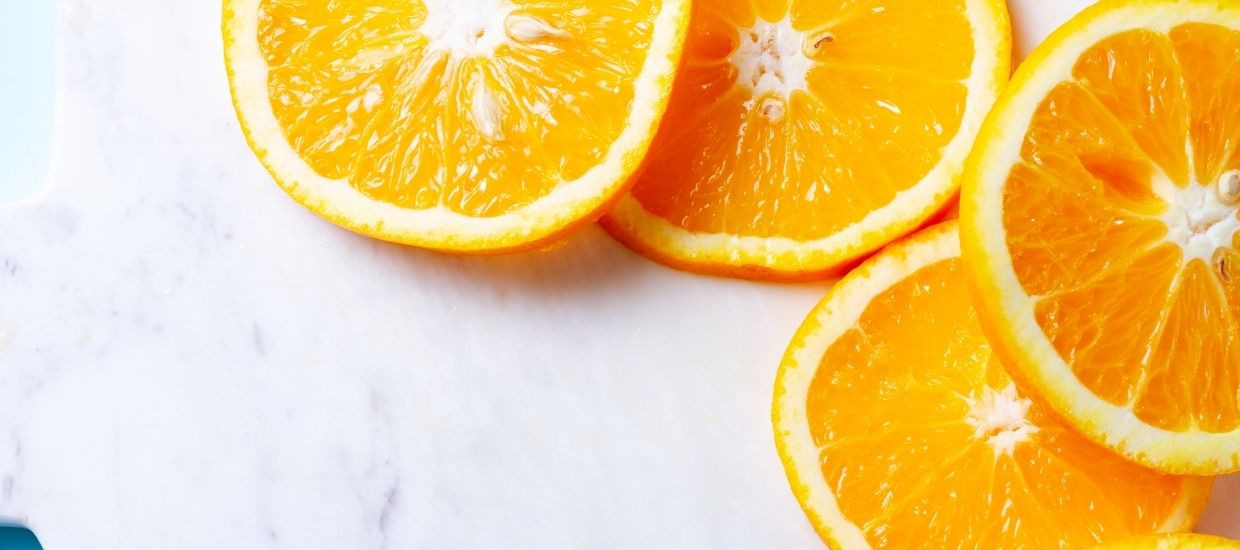
- Oranges
- Kiwis
- Melon
- Strawberries
- Grapefruit
- Blueberries
- Broccoli, etc.
Supplementation:
There are vitamin C-based supplements and multivitamins that contain it. There are also foods fortified with vitamin C to make it easy to increase daily intake.
Is it necessary to supplement with vitamin C throughout the year?
No, it is not necessary to continue supplementation throughout the entire year. It is advisable to take breaks and not always consume antioxidants in supplement form.
It may affect the synthesis of antioxidants produced naturally in your body.
Can excess vitamin C occur?
As it is water-soluble, any excess will be eliminated through urine. Vitamin C intoxication is practically impossible, although an excess, especially through supplementation, may cause stomach discomfort without providing any additional benefits.