
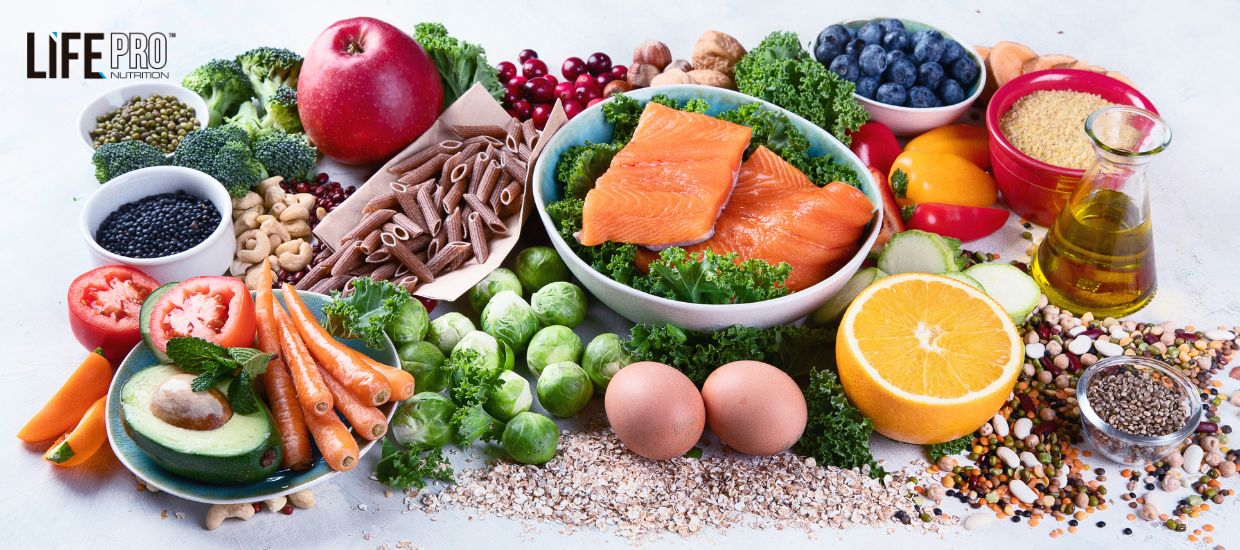
Continuing with one of the previous articles about the properties and characteristics of minerals in the body, in this post we continue explaining the properties of iron and phosphorus. Remember that minerals are compounds that, together with vitamins, form part of micronutrients, and that they are essential for carrying out a large number of physiological functions in the body.
Iron:
What is it?
Iron is a mineral necessary for carrying out a large number of functions related to oxygen transport, growth, etc.
Iron can be classified into two different groups:
- Heme iron: this type of iron is part of myoglobin and hemoglobin (+60% of total iron). Iron obtained from animal sources is classified as heme iron.
- Non-heme iron: it is found in enzymes involved in oxidative metabolism. It is found mainly in plant-based sources.
What are its main functions?
Among the main and most notable functions in which iron participates, we can highlight:
- It is involved in the transport of oxygen.
- It is essential for the formation of hemoglobin.
- It participates in the process of converting ADP into ATP.
- It is part of myoglobin.
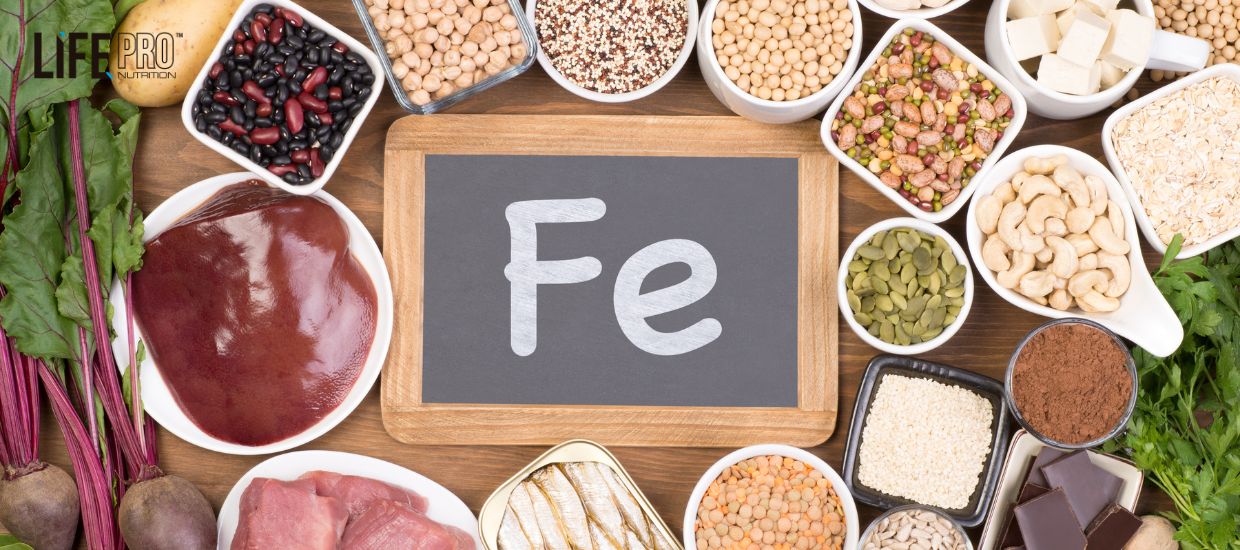
Sources of iron:
- Liver.
- Red meat.
- Eggs.
- Turkey.
- Legumes, nuts, leafy vegetables. The type of iron present in these foods is found in its non-heme form. Therefore, to improve its absorption, it is recommended to combine them with a source of vitamin C so that it is transformed into heme iron.
Daily recommendations?
The recommended daily intake may vary depending on age, physiological status, sex, etc.
As a general rule, it is recommended that men consume at least 8 mg per day, and women at least 18 mg. This amount is set slightly higher due to the iron losses caused by menstruation.
Phosphorus:
What is it?
Phosphorus is a mineral found mainly in the bones, and it can account for 1% of body weight. Phosphorus is closely related to calcium.
Metabolism:
The metabolism of this mineral takes place in the bones, kidneys, and intestines. In addition, it is regulated by 3 different hormones:
- Vitamin D3, which is transformed into hormone D3: it promotes the absorption of this mineral, increases its absorption, and acts in the homeostasis process.
- Calcitonin: when found at an elevated level, it decreases phosphate absorption at the renal level.
- PTH: it is responsible for its destruction and excretion through urine.
What are its main functions?
As for the functions of phosphorus, the following stand out:
- It acts as a pH regulator and participates in acid-base balance.
- It is part of cell walls and is part of nucleic acids.
- It is the main component of bones.
- It is part of energy metabolism. It is found together with ATP molecules.
- It is essential in the activation of certain enzymes.
Sources of phosphorus:
It is found in foods with a high protein content, for example:
- Meat: chicken, pork, turkey, and beef
- Fish: salmon, cod, sardines
- Dairy products such as cheese
- Eggs
- Nuts: pistachios, pine nuts, almonds, walnuts
- Legumes: soybeans, lentils.
Daily recommendations?
An intake of between 800–1200 mg of phosphorus per day is recommended.