
We are sure that amino acids are essential for good health. Some people need to consume them because their body cannot produce them on its own. Read this article to find out what essential amino acids are, how they work in your body, and which amino acids are right for you.
What are essential amino acids?
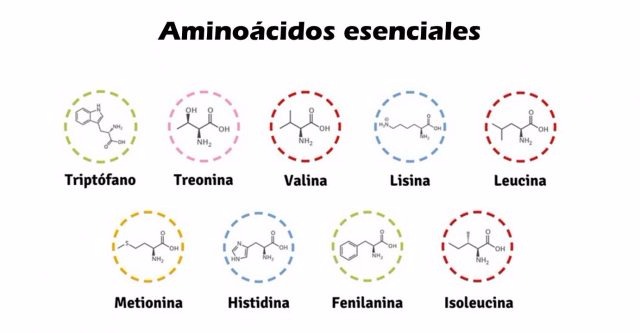
Of the 20 amino acids our body needs to function, 8 are considered essential amino acids. These essential amino acids must be obtained through food. There are eight essential amino acids in adults: isoleucine, leucine, lysine, methionine, phenylalanine, threonine, tryptophan, and valine.
Lysine
Benefits: Like many other amino acids, lysine contributes, among other things, to healthy bones and muscles. It promotes the growth of collagen, an important component of the tissues in our skin.
Tip: Vitamin C is also important for collagen production. Lysine helps prevent herpes. This amino acid contains antibiotics that help fight the herpes virus. Large studies have not shown that lysine is effective against herpes. Researchers also question whether lysine is beneficial for arthritis and other conditions, such as migraines.
Ingredients: Meat, fish, milk, beans, pumpkin, peas
Leucine
Effect: Leucine belongs to a group of branched-chain amino acids (BCAAs). The body needs leucine to produce more proteins, build muscle, and provide muscle strength. Leucine also supports the healing process in muscles.
Ingredients: Peas, beef, chicken breast fillet, salmon, milk, nuts, whole-grain products
Methionine and Cysteine
Benefits: Methionine is, among other things, an amino acid that provides sulfur to the body. Cysteine is an amino acid synthesized in the liver from methionine and is therefore conditionally essential. Vitamin B12 is a prerequisite for all these processes. A lack of cysteine in the body can lead to kidney disease.
Ingredients: Sesame seeds, Brazil nuts, Parmesan, chicken and beef, tuna
Phenylalanine and Tyrosine
Effect: Among other things, the body needs the phenylalanine and tyrosine it produces to produce the hormones adrenaline and thyroxine. Phenylalanine participates in the production of melanin, a pigment that colors human skin, hair, and eyes and darkens the skin when exposed to sunlight.
Ingredients: beans, peas, meat, fish
Tryptophan
Effect: The body needs tryptophan to increase the level of serotonin, the happiness hormone. Serotonin is also converted into melatonin, a sleep hormone that makes you feel tired and sleepy at night. For this reason, foods containing tryptophan can act as anxiolytics on the one hand and help you sleep on the other.
Ingredients: Soy, dried apricots, wheat, cheese, meat, fish.
Arginine
Effect: Arginine is important. The body can produce much of this amino acid itself, but it can also obtain it from food. The body can obtain nitrogen from arginine, which is important for blood circulation and blood pressure.
Arginine can improve blood flow and its use, among other things, for heart disease and erection problems. To date, research has not shown that arginine preparations can improve endurance, muscle tone, and erections in healthy people.
Ingredients: Buckwheat, peas, peanuts, pumpkin, pine nuts, walnuts, salmon, pork, chicken.
Why do we need amino acids?
These 20 essential amino acids make up the proteins in our body. They function differently and support muscle growth and coordination, the structure of the skin, hair, and nails, hormones, and oxygen supply.
- Which foods contain amino acids?
Amino acids are usually present in protein-rich foods. Through the value and biological value of protein, the similarity of the amino acid profile of nutrients in the human body can be measured. In addition to foods of animal origin and legumes, some food combinations are also beneficial, such as potatoes with eggs or ricotta and legumes with whole grains.
When should I take additional amino acids?
In general, people get enough essential amino acids through a healthy diet.
- People who do strength training, especially at a higher level, need more energy.
For this, taking a protein powder or an amino acid supplement may help.