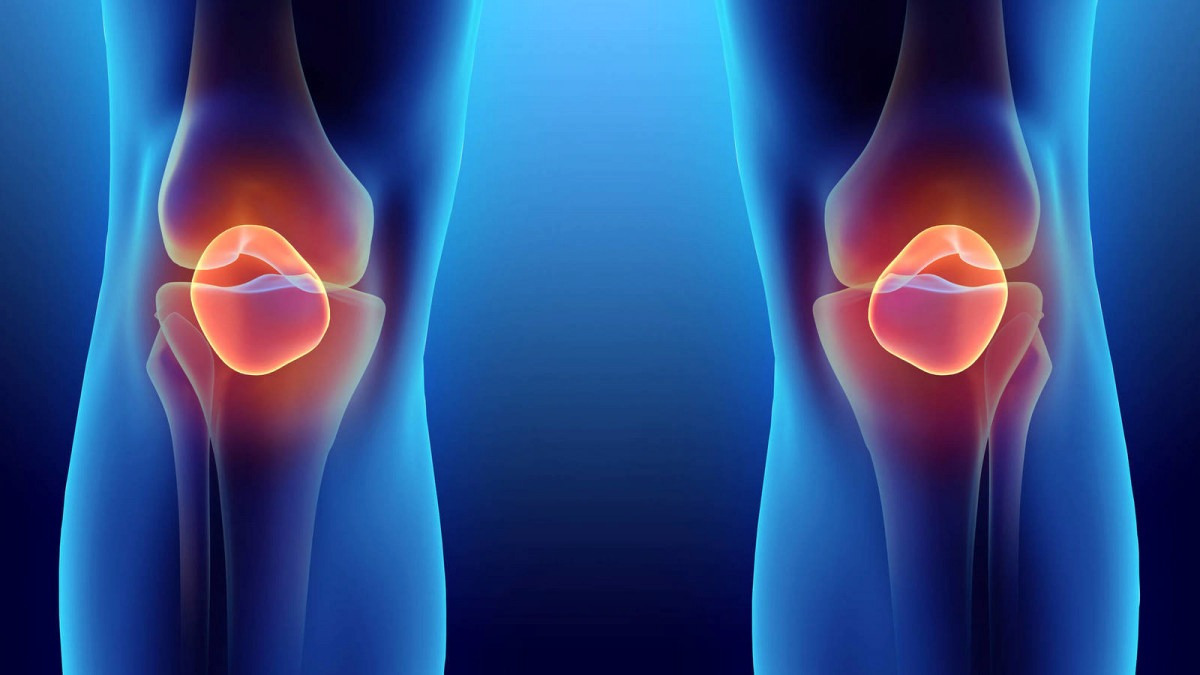
There are many different joint problems, but they share the same mechanism. To describe it more precisely, we will focus on inflammation and cartilage loss, which are associated with arthritis.
Osteoarthritis (or rheumatoid arthritis)
It is actually a very common problem that we will focus on, but many of these tips apply to other joint problems.
Osteoarthritis is characterized by a gradual loss of cartilage, which causes the bones to touch each other over time.
This results in pain, exacerbated by the formation of abnormal calcifications in the bone marrow.
1. Lose weight
Weighing more pounds puts greater pressure on the joints. Weight loss reduces the risk of arthritis by 50%.
Obesity increases the risk of arthritis in the knee.
The high risk comes not only from obesity, but also from inflammation.
Obesity increases chronic inflammation, and this inflammation damages the cartilage, increasing the risk of osteoarthritis in all the joints.
In other words, arthritis is not only a mechanical problem, but also a biochemical problem.
2. Exercise
What you do not use becomes atrophied, and that includes your joints.
Physical activity is associated with greater cartilage tone, not less. Movement strengthens the nerves and bones, preventing joint damage.
- For example, weak quadriceps are associated with a greater risk of cartilage loss and osteoarthritis of the knee.
Improving your overall mobility will also reduce joint damage. Movement also releases lubricin into the synovial fluid, an oily protein that protects cartilage. Turnover is the best oil for your joints.
Physical activity not only prevents joint problems, but also helps with alignment, reducing pain. In fact, exercise is the most powerful treatment. But as always, the dose is important.
Excessive training and, above all, the accumulation of injuries, can cause greater cartilage damage, increasing the risk for some athletes.
3. Good food
If you are overweight, any diet that helps you lose weight will reduce your risk of joint problems. Specifically, we want to
- 1) reduce inflammation
- 2) provide excellent nutrition for your joints.reduce inflammation
Food in general is important, but some foods have special abilities:
- Fish such as salmon, sardines, or trout, all rich in Omega 3. Omega 3s in food reduce inflammation and appear to reduce cartilage wear (birth, hips, thighs, hips). On the other hand, cooking oil, which can contribute to inflammation (research, study), will be excessive, especially when it is hot.
- Vegetables and fruits. They provide many flavonoids that help reduce inflammation, such as kaempferol or proanthocyanidins, which have a positive effect on arthritis (birth, childbirth). Eat vegetables, broccoli, tomatoes, apples, grapes…
- Spices. Very interesting in the fight against inflammation, they have proven effective in preventing or treating osteoarthritis: turmeric (sage, sage), garlic (sage, sage), and ginger (sage).
- Nutrition:
In addition to benefiting from the anti-inflammatory effect of a healthy diet, some foods are especially important for joint health.
Vitamin C
To begin with, vitamin C plays an important role in collagen synthesis, which is why many collagen supplements are included. But in addition, it appears to reduce damage to chondrocytes (cartilage cells) and reduce inflammation, preventing osteoarthritis.
- Although getting a supplement may be a good idea, the best way to get enough vitamin C is to eat a diet rich in fruits and vegetables.

Vitamin K2
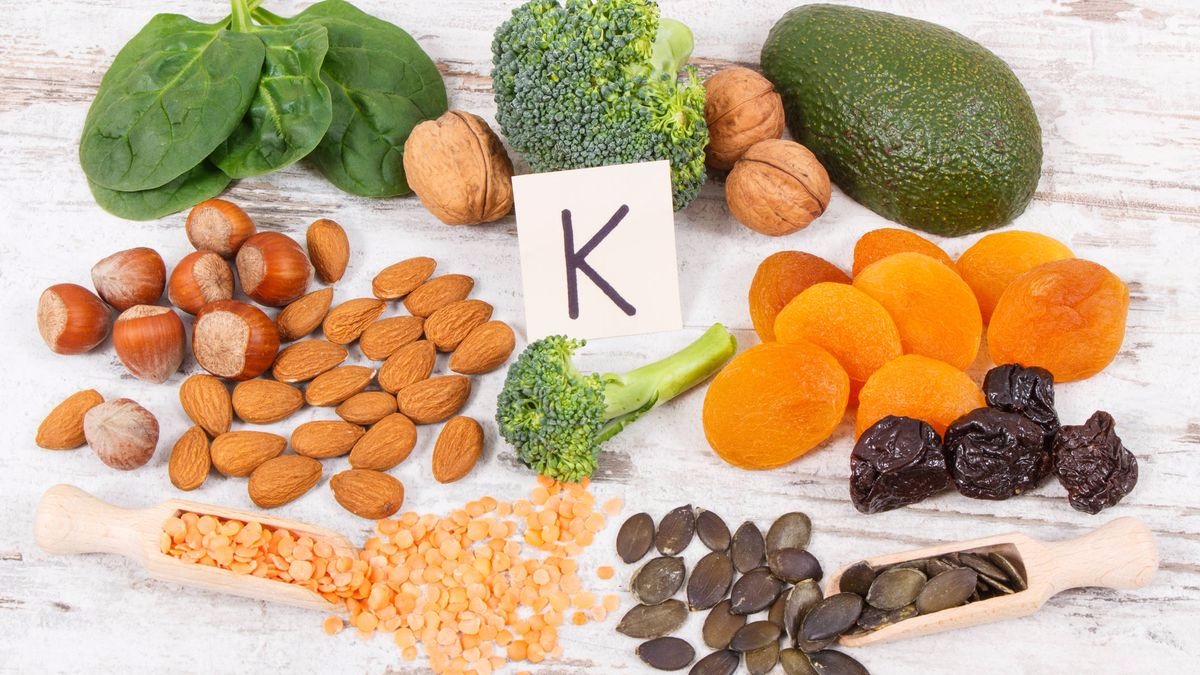
Vitamin K2 is less popular than others, but it is not unnecessary. For example, it is responsible for maintaining an adequate balance of calcium (such as that in the teeth or bones), preventing it from reaching the arteries or causing kidney stones to form.
If you are adding calcium without vitamin K2, you may worsen your problem. Low levels of vitamin K are associated with high cartilage and arthritis (birth, study, study, diagnosis).
- Where can I find vitamin K2? In natto, liver or duck liver, egg yolks, Gouda cheese, butter, and chicken thighs (more details).
Magnesium
Other nutrients are important for bone health, as well as for the joints. Magnesium supplementation appears to alter the structure of cartilage, and many studies have revealed a high risk of arthritis in people with low magnesium intake.
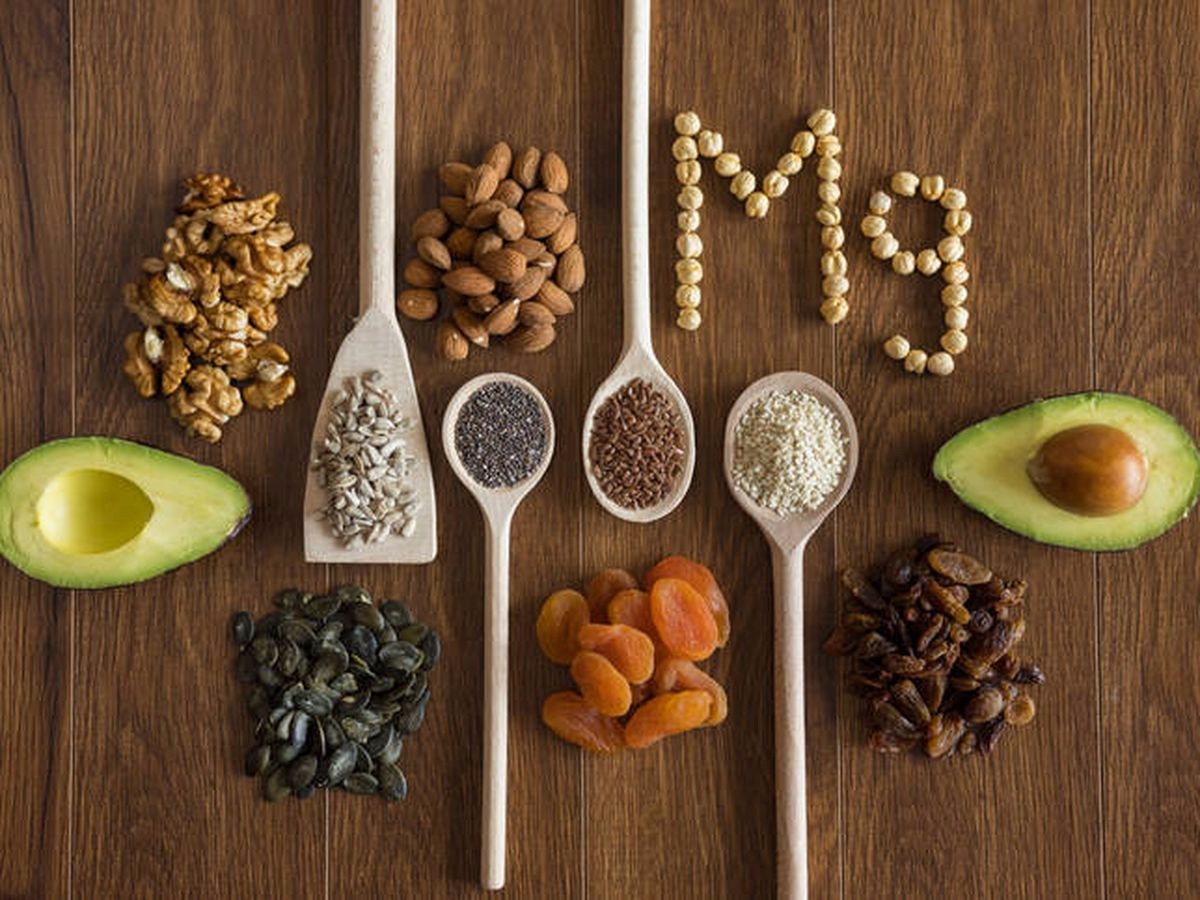
- Relationships do not mean causation, but they include many foods that do not damage magnesium: green vegetables, fruits, nuts, avocado, shell, or dark chocolate.