

Protein is undoubtedly one of the most talked-about nutrients in the world of sports and nutrition. However, there are still many questions, doubts, and confusion: how much protein do we really need per day? Is it different for an athlete than for someone sedentary? In this article, we explain it clearly so that you can adjust your diet and supplementation according to your goals.
Why is protein so important?
Protein is made up of amino acids, which are the building blocks of muscle and many tissues in our body. They are not only involved in muscle repair and growth, but also in vital functions such as the production of enzymes and hormones and the proper functioning of the immune system.
In the case of athletes, the demand for protein is higher. Strength training and endurance sports cause muscle wear and tear that needs to be repaired. Without sufficient intake, performance, recovery, and body composition may be compromised.
How do protein needs vary among different groups?
Athletes and active people
When we train, our muscles suffer minor damage that needs to be repaired. This is where protein becomes the best ally for growth, recovery, and peak performance.
- Why it is important: it speeds up recovery, improves performance, and protects muscle mass.
- How much to consume: in most cases, between 1.6 and 2.2 g per kilogram of body weight per day. Ideally, it should be distributed across several meals.
Older adults
As the years go by, muscle mass tends to decrease. This process, known as sarcopenia, directly affects strength and mobility. An adequate protein intake can make a difference.
- Why it is important: it maintains strength, helps preserve muscle mass, and contributes to a better quality of life.
- How much to consume: between 1.2 and 1.5 g/kg per day, even if you do not engage in intense sports.
People looking to lose fat
When we reduce calories, we do not only burn fat: there is also a risk of losing muscle. Consuming enough protein helps prevent this.
- Why it is important: it protects muscle mass, increases satiety, and improves body composition.
- How much to consume: ideally, between 1.6 and 2.4 g/kg per day, depending on the calorie deficit and training.
Growing adolescents
At this stage, the body needs extra nutrients to develop. Protein is essential for building muscle, bone, and tissues in general.
- Why it is important: it supports growth, improves academic and athletic performance, and strengthens the immune system.
- How much to consume: between 1 and 1.5 g/kg per day, adjusted according to physical activity.
Where can you get protein?
Ideally, most of your intake should come from protein-rich foods:
- Animal-based: lean meat, fish, eggs, dairy products.
- Plant-based: legumes, tofu, tempeh, quinoa, nuts.
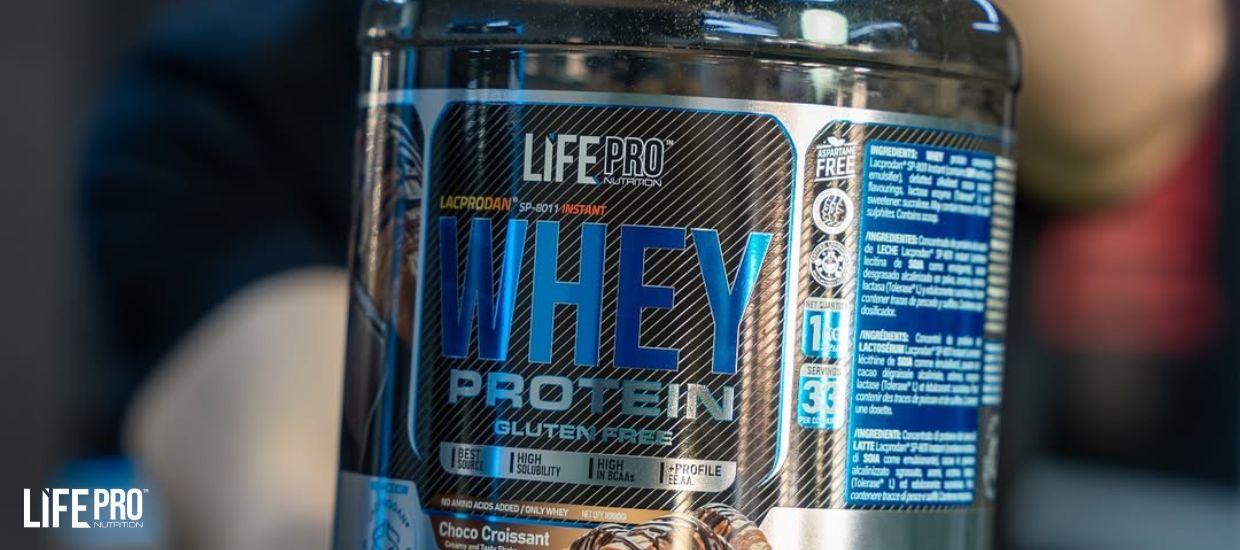
In some cases, it can be difficult to meet requirements through diet alone, especially for athletes or people with high energy demands. This is where protein powder supplements come into play, such as whey protein, isolate, or vegan options (soy, pea, etc. protein powder). They are a practical tool for completing your daily intake quickly and conveniently
In summary:
- Protein is essential for health, performance, and muscle recovery.
- The amount varies from 0.8 g/kg (sedentary people) to 2.5 g/kg (athletes).
- It is not just about “more protein,” but about quality and proper distribution.
- A good combination of diet and supplementation will help you achieve your goals.
Ultimately, the amount of protein you need depends on you: your lifestyle, your training, and your goals. Listen to your body, adjust your intake, and, if necessary, rely on quality supplements to meet your daily requirements.